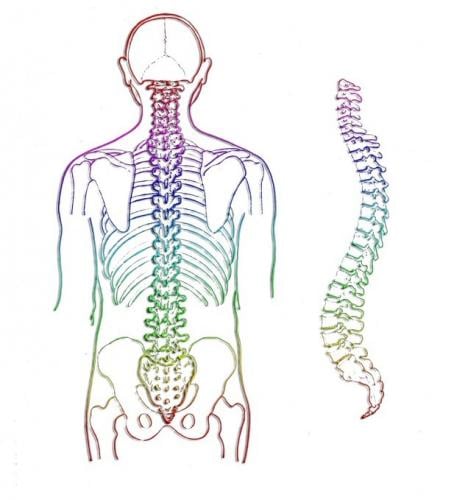
How Healthy is Your Backbone?
The human backbone - the spine - is one of the most important parts of a living being. The spine's five major purposes include: movement, support, protection, coordination, and control of the entire body.
Read More

The human backbone - the spine - is one of the most important parts of a living being. The spine's five major purposes include: movement, support, protection, coordination, and control of the entire body.
Read More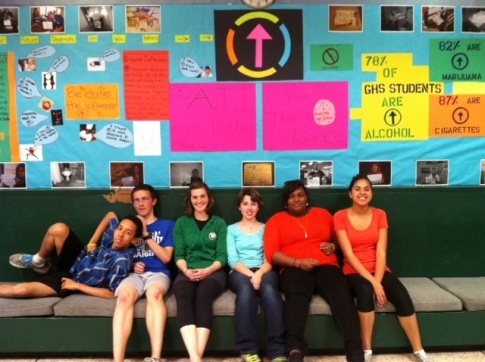
After the 2014 Champions for Change conference, Liz Weaver interviewed John Kania and Fay Hanleybrown of FSG for The Philanthropist -- a free online journal for practitioners, academics, supporters and others engaged in the non-profit sector in Canada. When asked about whether anything had surprised them, and what they would say has changed the most since the original Collective Impact article was written by John Kania and Mark Kramer in 2011, Fay responded saying...
Read More
"Communities and organizations around the world are adopting a different mindset to achieve large-scale systemic change through collective impact... As cross-sector groups engage more deeply in this practice, funders and practitioners alike find ourselves probing for answers to the question: How do you do this work well?" - Shiloh Turner, Kathy Merchant, John Kania & Ellen Martin (Stanford Social Innovation Review)
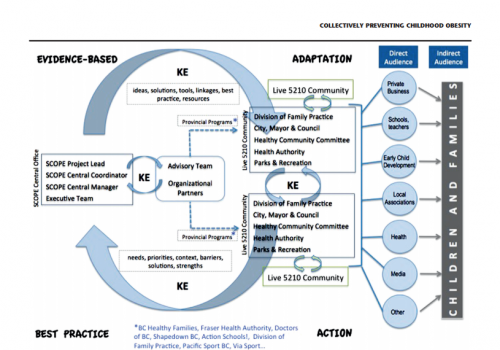
"Childhood obesity is a complex large-scale social problem caused by a multitude of interdependent factors. Children and families do not live and function in isolation but rather in the context of their family environments, neighbourhoods and communities." - Creating a collective impact on childhood obesity: Lessons from the SCOPE initiative
Read More

When we seek change the temptation is looking for 'the key' component of a problem or situation that, if changed, is expected to lead to profound transformation. Too frequently these type of solutions fail not because the change to the component is poor, but that the thinking is not aligned to the system that contributes to the problem in the first place and thus, changing thinking is what's actually the key not the designed solution.
Read More