
Building Belonging in Practice
Across Canada, communities are creating new opportunities for people to connect, contribute, and thrive. Neighbours, community organizations, businesses, institutions, and governments are working together to strengthen relationships, build trust, and create communities where everyone feels valued and included.
Tamarack brings people together to strengthen local leadership, build partnerships, and support community-led solutions that improve quality of life. Anchored within our Networks for Change, Communities Building Belonging (CBB) is a powerful expression of this work in action.
As communities navigate complex social, economic, cultural, and environmental challenges, local leaders are finding collaborative ways to foster connection, address isolation, strengthen participation, and create conditions where more people can experience belonging. They understand that belonging grows through intentional relationships, shared experiences, community participation, and opportunities to contribute.
Building Belonging Together
The stories featured below bring together lessons, evidence, and insights gathered through years of collaboration and collective learning. They explore how belonging can be embedded within the systems and structures that shape everyday life, and highlight how communities across Canada are putting those ideas into practice through local leadership, community participation, cultural connection, neighbour-to-neighbour support, intergenerational relationships, and collaborative action.
Beyond exemplifying inspiring place-based solutions, the stories reveal patterns and possibilities around what it takes to strengthen belonging in practice. They demonstrate how relationships, participation, and community leadership matter, and that communities across Canada are already creating conditions that help people connect, contribute, and thrive.
Click each title below to learn more about each story.
Will You Be My Neighbour? Building Belonging in New Westminster
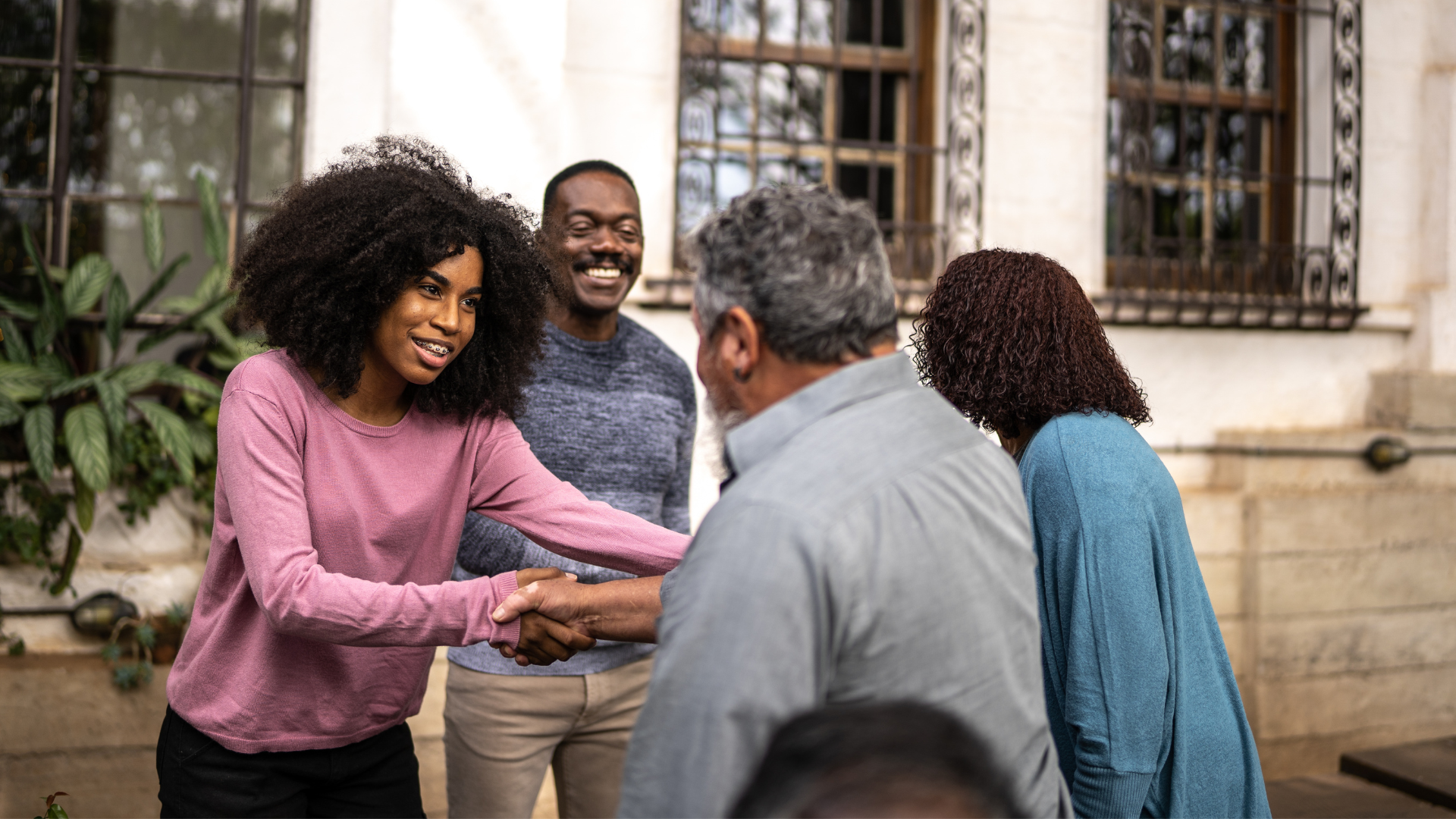
In New Westminster, a simple question is helping strengthen connection, belonging, and community: Will You Be My Neighbour?
Who Belongs in Chinatown? Montreal’s Answer Is: Everyone
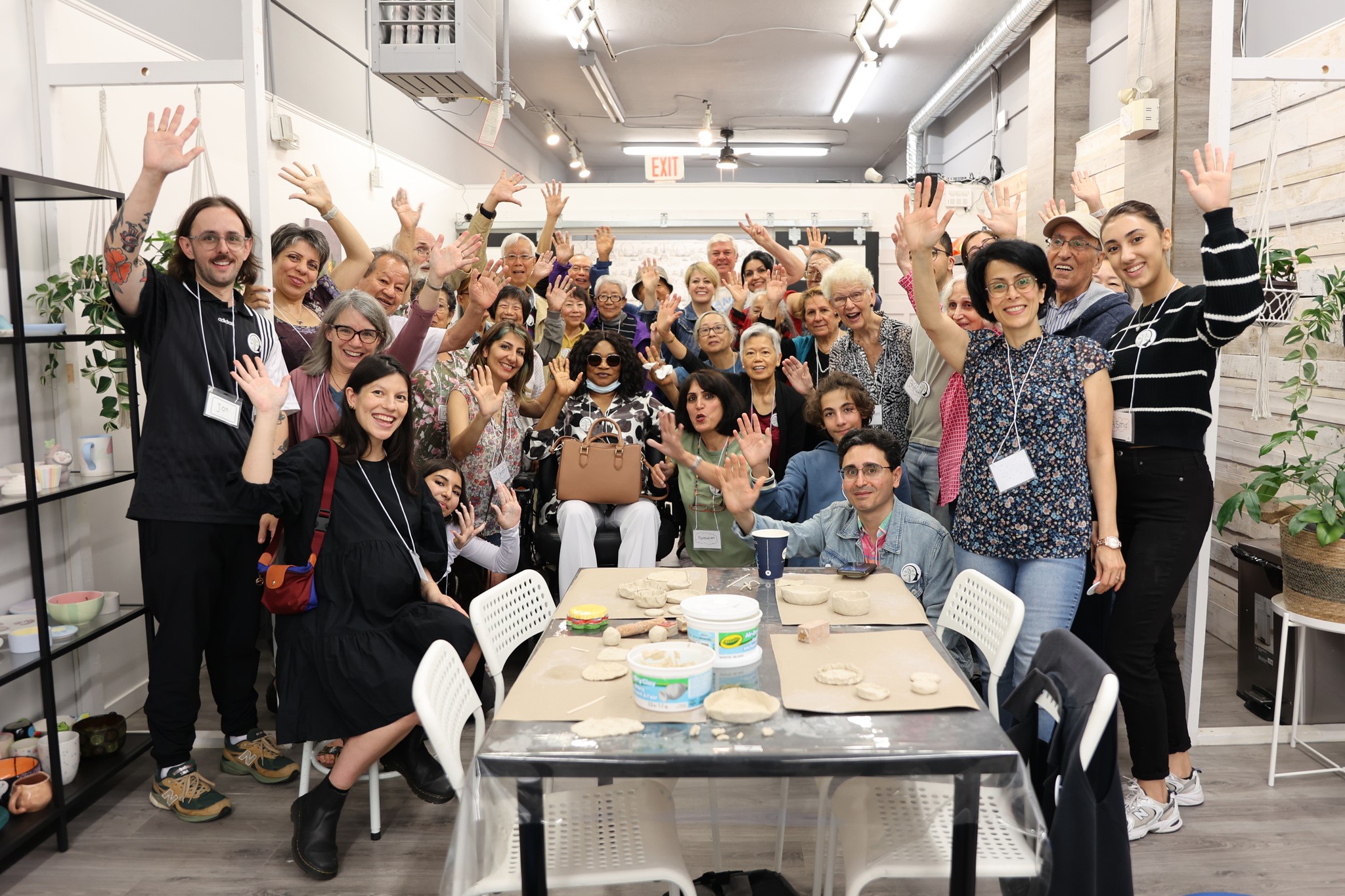
In Montreal’s Chinatown, protecting the neighbourhood’s future has become inseparable from strengthening a sense of belonging.
More Than Play: Building Belonging Across Generations in St. John's
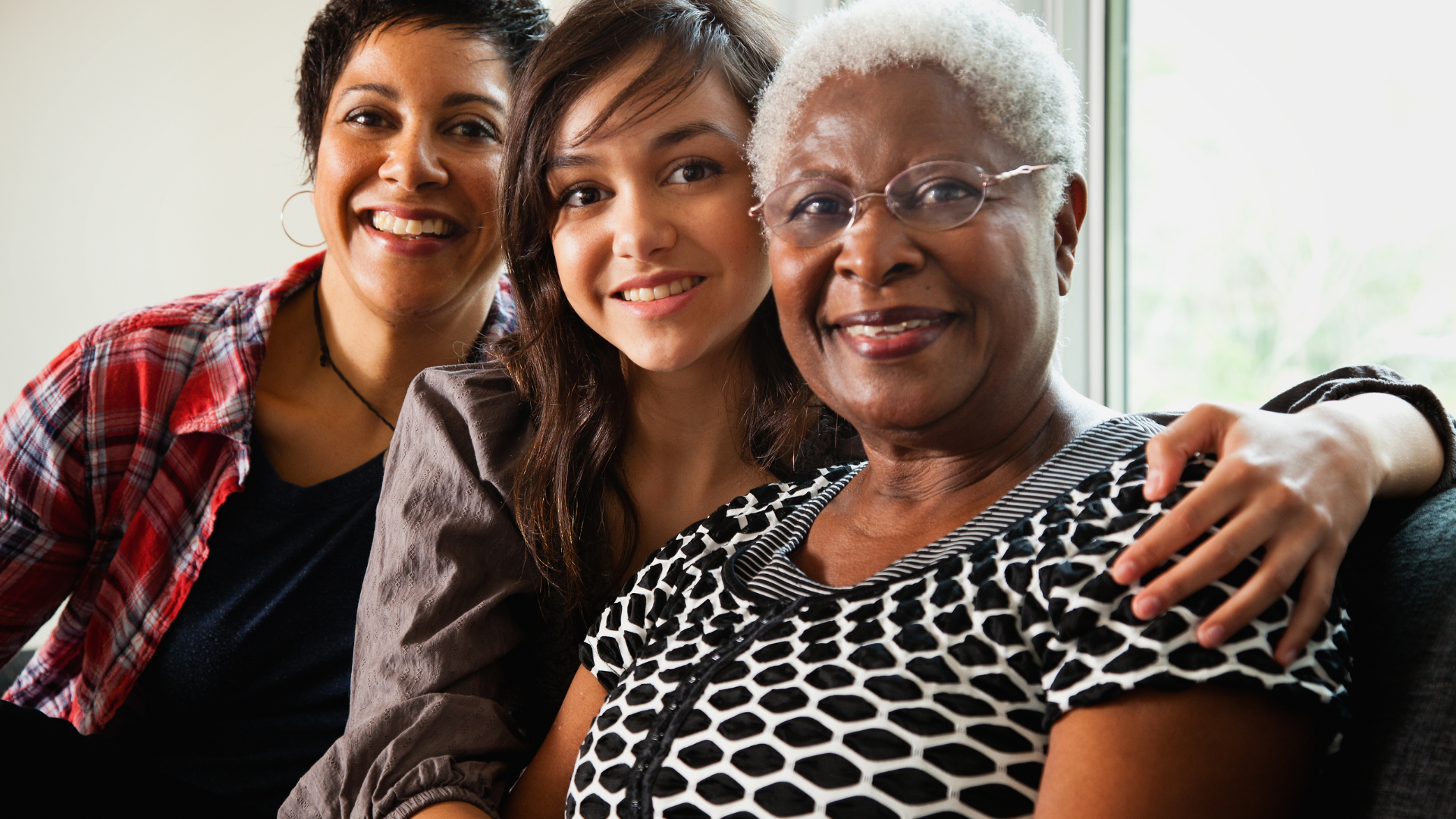
The Intergenerational Play Bridge (IPB), an initiative designed to grant access and strengthen connection across generations, cultures, and communities.
Being Fully Seen: Building Belonging Through Civic Religious Literacy
Across Canada, the Civic Religious Literacy is helping organizations explore the question; what happens when identity, meaning, spirituality, and purpose are overlooked in the places and systems that shape people’s lives?
From Clients to Contributors: Building Belonging Through Dementia Co-Creation in Burnaby
The Dementia Co-Creation Academy in Burnaby is helping to uncover what becomes possible when people living with dementia are recognized as contributors with gifts, talents, and experiences to share.
The Good Neighbour Solution: Building Belonging in Kitsilano
Learn about Good Neighbour Kitsilano, a volunteer-run grassroots initiative working to make Kitsilano a more connected, caring, and resilient neighbourhood.
Background: How We Got Here
Since 2023, hundreds of individuals, community leaders, practitioners, policymakers, researchers, and neighbours from coast to coast to coast have contributed to a growing conversation about what a Canada-wide Strategy for Belonging could look like in practice.
These conversations have taken place through local dialogues, learning cohorts, Communities of Practice, working groups, storytelling initiatives, and community-led action. Together, they have helped build awareness of belonging as a public priority, deepen understanding of the skills and practices that strengthen belonging, and identify the policy, funding, governance, and systems changes needed to sustain it over time. This work has evolved from exploring why belonging matters, to understanding how it can be strengthened, to identifying the conditions that help communities thrive.
No single organization, sector, or level of government can build belonging alone. The conditions that foster it are created through relationships, shared leadership, community participation, and long-term collaboration across sectors. Lasting change requires leadership from communities, commitment from institutions, and willingness from governments at all levels to recognize belonging as a shared public priority.
From Local Action to a Larger Movement
Communities are exploring new ways of strengthening relationships, participation, leadership, and community well-being. Lessons are emerging that are helping to inform broader conversations about belonging, wellbeing, and systems change across Canada.
These lessons include that:
-
Belonging grows through relationships.
-
Leadership expands when power is shared.
-
Communities become stronger when people are invited to contribute.
-
Local knowledge matters.
-
Social infrastructure is as important as physical infrastructure.
-
Community-led action creates lasting change.
Connecting Local Learning to Broader Change
Communities are often the first to identify emerging challenges and the first to test new solutions. Yet too often, their experiences remain isolated within individual projects, neighbourhoods, or organizations.
Tamarack's role is to help connect those experiences. Through our Networks for Change, Tamarack works alongside local leaders, practitioners, individuals, community organizations, institutions, and governments to:
-
Surface promising practices
-
Strengthen local leadership
-
Connect communities facing similar challenges
-
Amplify community voices
-
Share what is being learned
-
Build a growing evidence base for belonging
-
Support broader conversations about systems change and public policy priorities
Our Approach to Artificial Intelligence
Tamarack uses artificial intelligence thoughtfully to support aspects of our work while maintaining human oversight, community voice, transparency and accountability. We are committed to being transparent about how we use AI, where we choose not to use it, and the tensions we are navigating as these technologies evolve.