This article was written by: Monica Mandujano and Malika Bouchard-Medawar from Exeko;
Erika Massoud from the Tamarack Institute; and Rebecca Vachon from the Bahá’í Community of Canada Office of Public Affairs.
Each year, the Tamarack Institute highlights Refugee Rights Day on April 4th. This article contributes reflections to strengthen the movement for belonging, which notably aims to recognize the rights of marginalized populations, including refugees, asylum seekers, and undocumented migrants. We recognize and support the work of communities to strengthen belonging for all.
Why are these roundtables important?
What is belonging? How can we foster belonging in our society?
In the fall of 2025, a series of three roundtables were held in Tiohtià:ke/Montreal on the topic of belonging. These roundtables are part of a pan-Canadian initiative led by the Bahá’í Community of Canada to engage community organizations, partners, and citizens on the issue of belonging. In Montreal, the Bahá’í Community collaborated with the Tamarack Institute and Exeko to co-organize two of these three roundtables.
Born from the experience of the Bahá’í community within its local and regional educational programs, which bring together people of diverse cultures, generations, and socioeconomic backgrounds across the country, a central question emerged: As we observe increasing polarization in Canada, how can we nurture this sense of belonging, this deep attachment, and this concern for others within our diverse society?
The roundtables highlighted a profound reflection on the conditions necessary to cultivate a sense of belonging in Quebec and Canadian society. In particular, the structural issues that undermine the realization of belonging as a social and political reality were emphasized during the discussions.
Political and Social Context of Belonging
In the current political and social context, we are witnessing a rise in polarization as well as an instrumentalization of the concept of belonging. Who defines what belonging means, and who has the right to belong to society? A vision of belonging that excludes certain groups on a discriminatory basis directly contradicts the universal and inclusive definition of belonging that emerged from the roundtable discussions. These discussions revealed how the current political climate, with its polarizing rhetoric and discriminatory policies, reinforces systemic barriers to belonging, particularly for marginalized communities. This context makes the need for spaces for dialogue like these roundtables all the more relevant in order to rebuild a sense of belonging based on mutual recognition rather than exclusion.
The discussions arising from these roundtables resonate with the findings of the Tamarack Institute’s report on belonging, which confirms that the challenges identified in Quebec—social fragmentation, increasing polarization, and inequality—are part of a broader national reality. This report particularly highlights how communities are working courageously to counter these trends, thus validating the importance of the community sector as an agent of social resilience in the face of structural challenges. This convergence between the discussions in Tiohtià:ke/Montreal and the national vision championed by the Tamarack Institute and the Bahá’í community underscores the importance of taking action to rebuild the social fabric at all levels of our society.
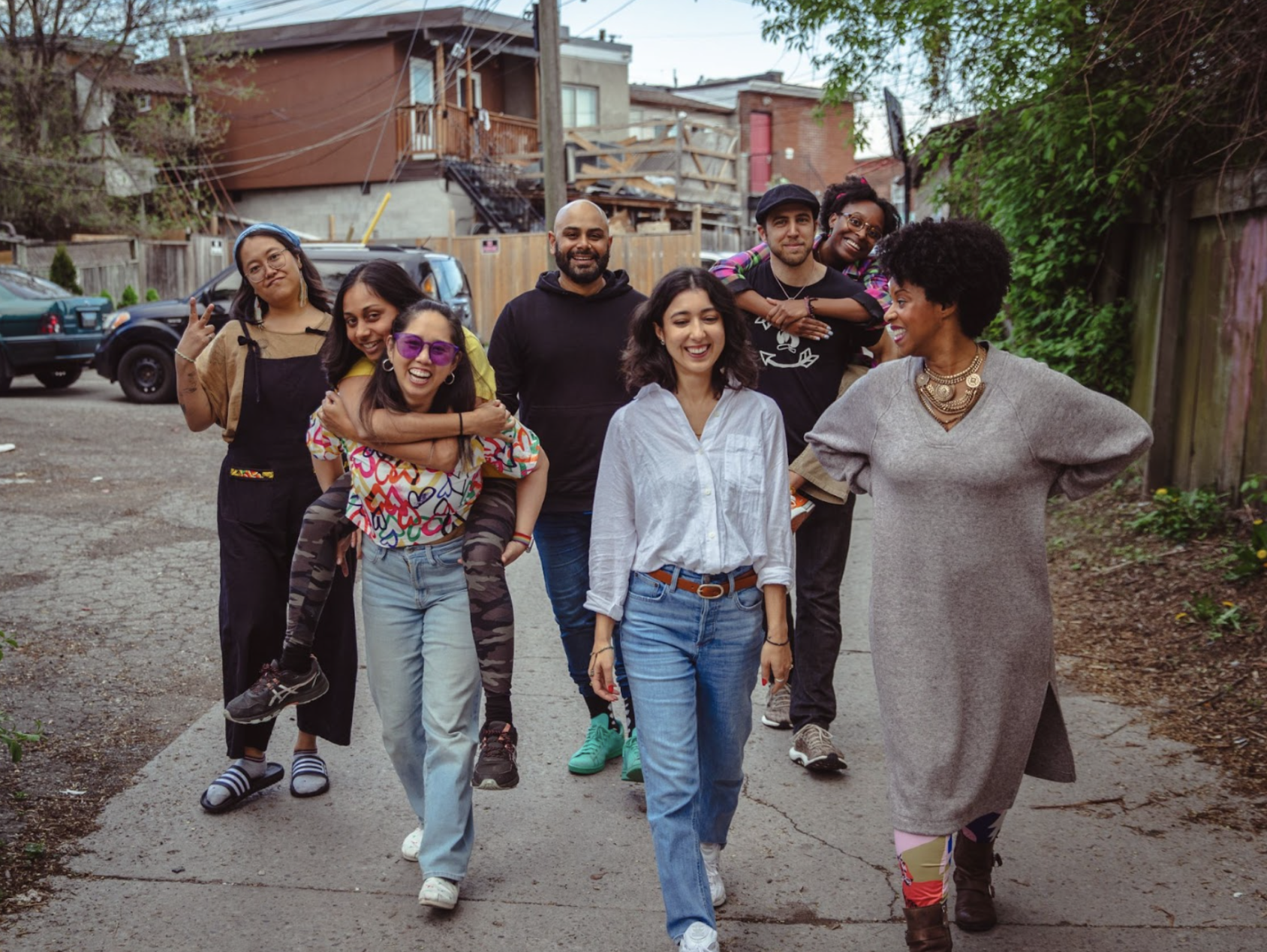
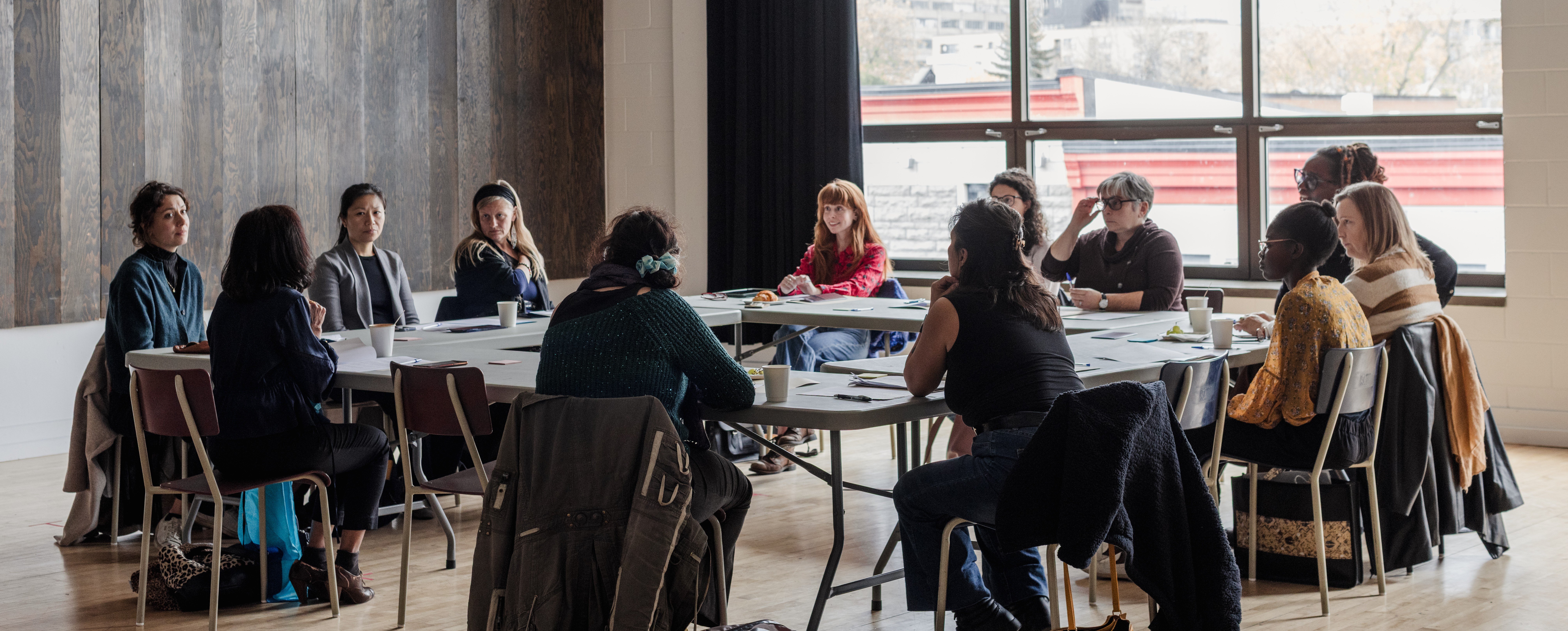 Photo credit: Katya Konioukhova
Topics Addressed during Roundtables
Several themes were explored during these roundtables on belonging, including: universal participation and how to ensure inclusion and accessibility for all; the role of local communities in sustainably strengthening a sense of belonging; and the importance of actively contributing to advancing systemic changes necessary to build an inclusive society.
Universal participation emerged as an essential condition for building a truly inclusive society. The discussions addressed the importance of embracing diversity through cultivating a posture of listening and openness. Participants identified several systemic barriers which remain unrecognized in the current political context: systemic racism and white supremacy, discrimination and exclusion rooted in colonialism, linguistic barriers, and the disproportionate emotional and mental load carried by marginalized groups. The need to create complementary spaces, such as through affinity groups, was highlighted as a strategy to promote equitable participation.
The community sector was identified as a key player in strengthening belonging. The unique model in Quebec, anchored in autonomous community action and place-based work, was highlighted as a strength. However, the community sector is currently experiencing a major crisis characterized by chronic underfunding and competition for public and private funds. Participants emphasized the need to promote the sector's contribution and value experiential knowledge emerging from the field as an essential resource. The need to break down silos, share knowledge, and foster horizontal collaboration was also highlighted as potential avenues for action. To ensure the sustainability of this sense of belonging, many also noted the importance of distinguishing between charity versus solidarity to promote the empowerment of individuals and communities beyond simply offering goods and services.
During the three roundtables, participants called for structural changes to address systemic issues, while acknowledging that a culture of solidarity and support must be cultivated at all levels of society. Proposed avenues for action included revaluing experiential knowledge and community time, promoting stable funding for organizations, developing a variety of approaches (including artistic and sensory ones) to encourage different types of participation, and integrating technology as a tool for inclusion rather than division. The discussions ultimately highlighted the importance of cultivating a sense of belonging not only to affiliated groups, but to a shared humanity, recognizing the intrinsic value of every human being and our shared responsibility to society as a whole.
Emerging Collaborations and Outcomes
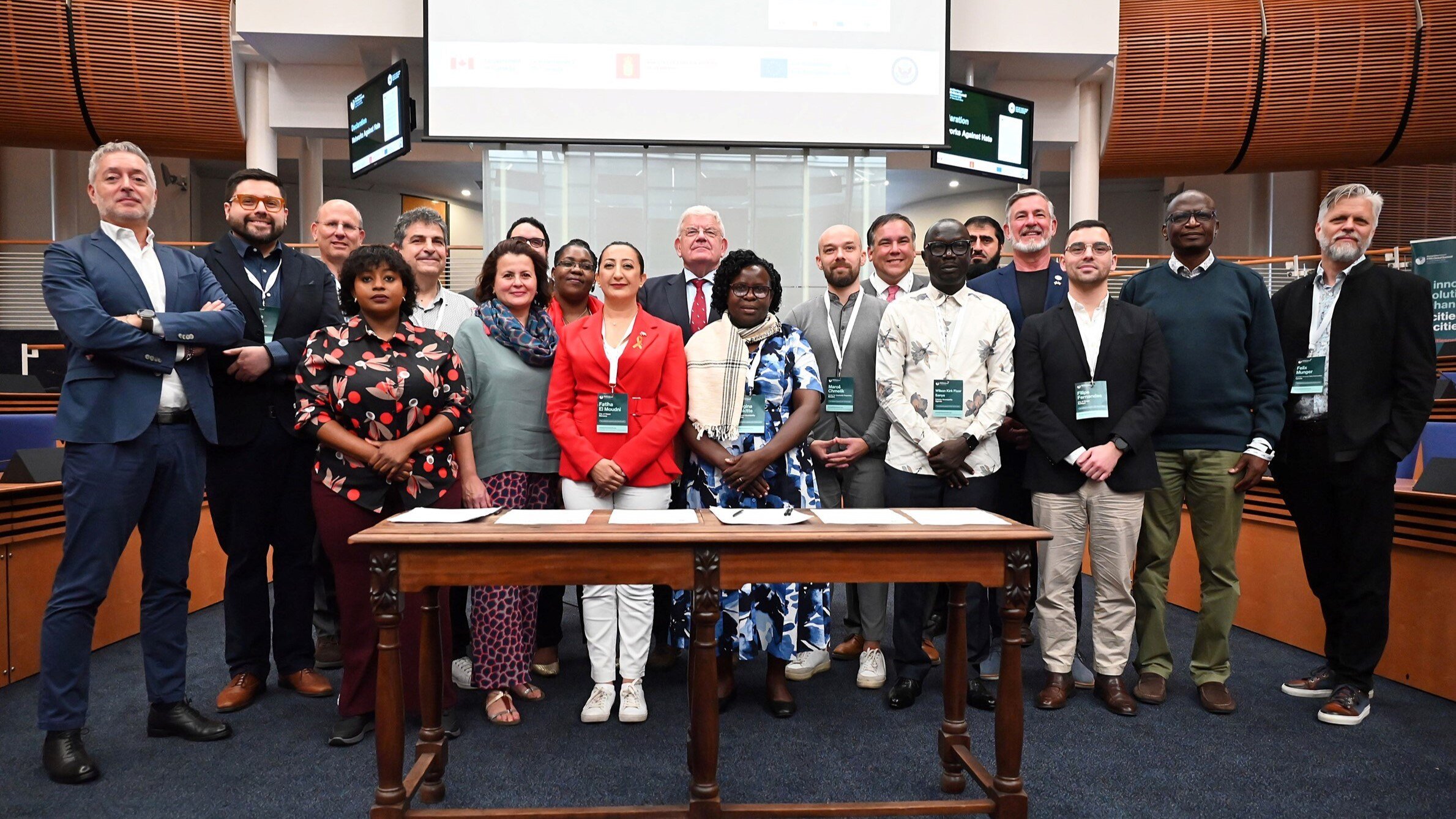
These roundtables fostered new connections and collaborations among various civil society actors. For the second roundtable, held in October 2025, the Tamarack Institute collaborated with the Bahá’í community by inviting new organizations, including Exeko, to join the discussion. Exeko then offered to host the next meeting in December at their offices and, in collaboration with Tamarack and the Bahá’í community, co-organized and facilitated this third roundtable.
These three events facilitated new connections among participants, allowing organizations to exchange and share best practices and inspire one another. Among the organizations present were representatives from Action Réfugiés Montréal, the Peace Network for Social Harmony, the Quebec Network of Autonomous Street Schools, the Montreal Office of Public Consultation, the Centre for Civic Religious Literacy, and the Foundation of Greater Montreal. These discussions are paving the way for new collaborative initiatives and joint projects aimed at strengthening the sense of belonging in the city and beyond.

Photo credit: Katya Konioukhova
Recommendations for Next Steps
Inspired by the emerging reflections from the roundtables and grounded in their commitment to communities, the Tamarack Institute, the Bahá’í community, and Exeko reiterate the need to work at a systemic level to strengthen local structures and social infrastructure in the face of polarization. By working on the conditions that allow a sense of belonging to develop, we can foster a society that prioritizes universal and accessible participation. Working on the issue of belonging as a national strategy will also allow us to address this fragmentation at the level of public policy and build bridges between communities to strengthen the social fabric.
Do you want to lead these conversations in your community? Draw inspiration from the discussion questions developed by the Bahá’í community to lead conversations about belonging in your community and take action with the resources offered by the Tamarack Institute and Exeko below.
Discussion questionsOn the power of contribution
On universal participation
On the sustainability of belonging
On political considerations
|
Action items
-
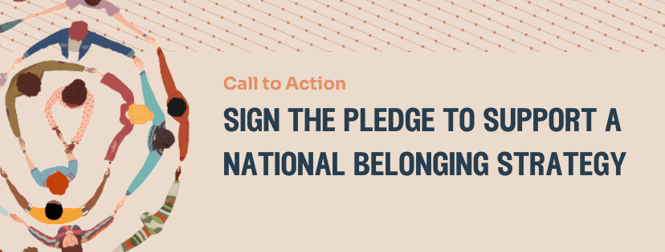
Show your support for a strategy for belonging by signing this petition
-
Read about Exeko's Biblio-libre project (in French only)
-
Read about Exeko's Shared Space project (in French only)
Want to join this conversation about belonging and/or keep us informed of your initiatives on this topic? Contact the Office of Public Affairs of the Bahá’í Community at publicaffairs@bahai.ca or the Tamarack Institute at tamarack@tamarackcommunity.ca.