
Embedding Belonging into the Systems That Shape Our Daily Lives
Across Canada, fewer than half of people report a strong sense of belonging to their local community. At the same time, communities are navigating rising social isolation, housing insecurity, economic uncertainty, climate disruption, polarization, and growing pressures on public systems.
While these challenges are often addressed separately, they share a common thread: the conditions that help people feel connected, valued, and able to participate fully in community life. The opportunities available to us, the spaces we share, the decisions we influence, and the relationships we build all contribute to whether people experience a sense of belonging.
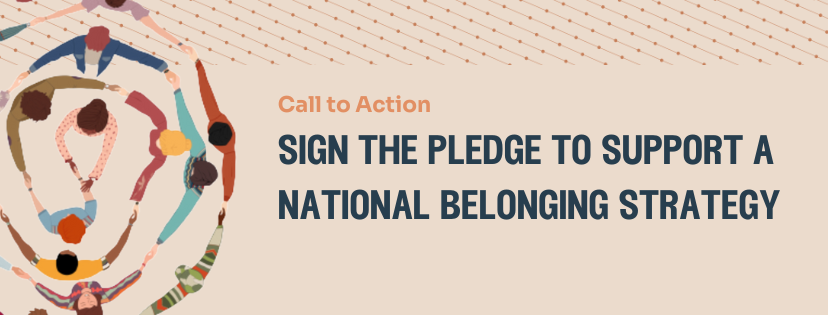
The Tamarack Institute's call for a Canada-wide Strategy for Belonging explores how communities can strengthen belonging through shared leadership, community participation, and systems change. This seven-part briefing series builds on that work by examining what it means to embed belonging into the systems, policies, and institutions that shape our daily lives.
These briefs explore how belonging shapes outcomes across the systems we rely on every day. It influences how people experience health, safety, housing, income security, employment, climate action, cultural connection, and community well-being.
Designed for policymakers, practitioners, funders, advocates, and community leaders, each brief combines evidence, community examples, discussion questions, and practical actions to support local and Canada-wide efforts to strengthen belonging.
How We Got Here
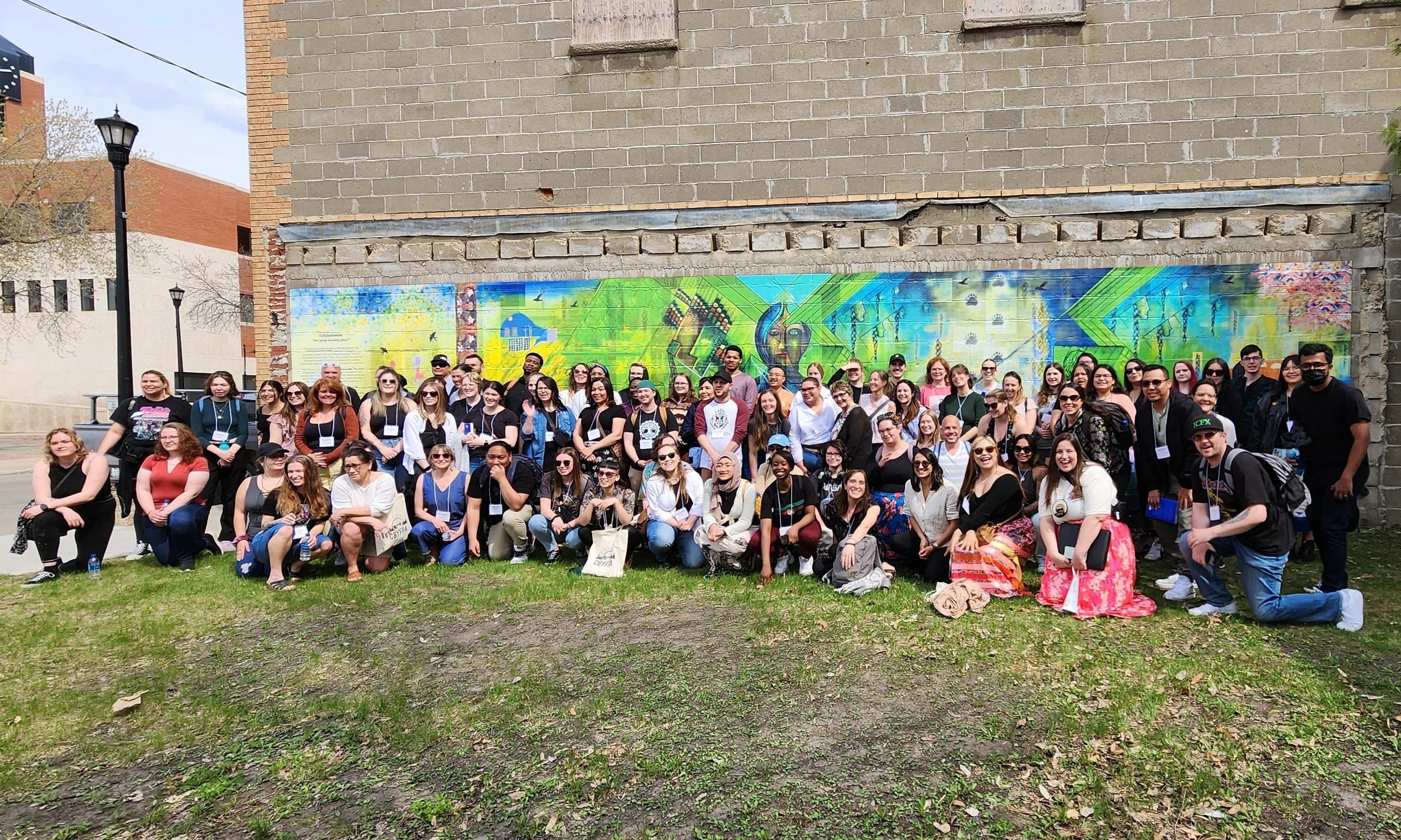
Since 2023, hundreds of individuals, community leaders, practitioners, policymakers, researchers, and neighbours from across Canada have contributed to a growing conversation about what a Canada-wide Strategy for Belonging could look like in practice. These conversations have taken place through local dialogues, communities of practice, learning cohorts, working groups, and community-led initiatives.
Together, they have helped build awareness of belonging as a public policy priority, deepen understanding of the skills and practices that strengthen belonging, and support communities in testing new approaches through local action. This work has evolved from exploring why belonging matters, to understanding how belonging can be strengthened, to identifying the policy, funding, governance, and systems changes needed to sustain it over time.
The seven briefs featured here represent one stage in that broader journey. They bring together lessons, evidence, and insights gathered through years of collaboration and collective learning. Rather than offering a single blueprint, they explore how belonging can be embedded within the systems and structures that shape everyday life.
A Canada-wide Strategy for Belonging cannot be created by any one organization acting alone. Lasting change requires leadership from communities, commitment from institutions, and willingness from governments at all levels to recognize belonging as a shared public policy priority. Building belonging is not a project with a fixed endpoint. It is an ongoing practice of creating the conditions that allow people and communities to thrive.
The conversations that informed this work consistently pointed to a common insight: belonging is not separate from challenges such as poverty, housing, health, community safety, climate resilience, or cultural inclusion. It shapes how communities experience and respond to each of them.
What Becomes Possible When Belonging Is a Public Priority?
Belonging is often understood as a personal experience, but it is also shaped by the systems and structures that influence how people live, work, learn, participate, and connect with others. When belonging is absent, people and places experience higher levels of isolation, exclusion, and fragmentation. When belonging is intentionally cultivated, public systems, neighbourhoods, and local networks become more equitable, resilient, and prepared to address complex challenges together.
Across the conversations, community dialogues, learning cohorts, and initiatives that helped shape this work, one question continued to surface:
What becomes possible when belonging is treated as a public policy priority?
The answer is reflected throughout this briefing series. When belonging is prioritized, public health systems become more preventative and community-centred. Community safety becomes rooted in trust and connection. Housing becomes a foundation for participation and well-being. Income security helps people meet their basic needs while creating greater opportunities for connection. Young people are better equipped to thrive. Communities are more resilient to climate disruption. Cultural identities, languages, and traditions become sources of connection and collective strength.
EXPLORE THE BRIEFING SERIES
FROM VISION TO PRACTICE
The call for a Canada-wide Strategy for Belonging invites us to imagine what becomes possible when communities have the agency, relationships, and conditions they need to thrive. These briefs help move that conversation from vision to implementation.
They demonstrate how belonging can be woven into public policy, institutional practice, funding decisions, community leadership, and system design. They also offer tangible examples of communities already doing this work in public health, community safety, housing, poverty reduction, youth employment, climate action, and cultural connection.
BUILDING BELONGING TOGETHER
No single organization, sector, or level of government can build belonging alone.
The conditions that foster belonging are created through relationships, shared leadership, community participation, and long-term collaboration across sectors. Advancing a call for a Canada-wide Strategy for Belonging depends on communities, institutions, governments, networks, and neighbours working together to strengthen those conditions.
This briefing series is an invitation to explore how belonging can be embedded into policy, planning, practice, and collective action. While each brief focuses on a distinct area of community life, they collectively point toward a shared conclusion:
Belonging is not only an outcome of thriving communities. It is one of the conditions that makes thriving communities possible.