How Bow Valley Built Community, Belonging, and Systems Change Through Active Hope
This case study was written by Stephen Ngonain (Tamarack Institute) & Tanya Pacholok (The Biosphere Institute)
Executive Summary
Across Canada, the impacts of climate change are becoming more visible. Beyond floods, wildfires, and rising temperatures, many people are carrying fear, grief, exhaustion, and a deep sense of uncertainty about the future. These emotional realities are becoming more common, but they are still rarely named or addressed in formal climate action spaces.
In the Bow Valley, Alberta, the Active Hope: Navigating Climate Grief & Anxiety workshops offered a different way forward. Led by the Biosphere Institute of the Bow Valley, the initiative was supported through a 2024 Sprouting Grant from Tamarack Institute’s Community Climate Transitions Innovation Fund, with funding made possible through the generous support of the Definity Insurance Foundation.
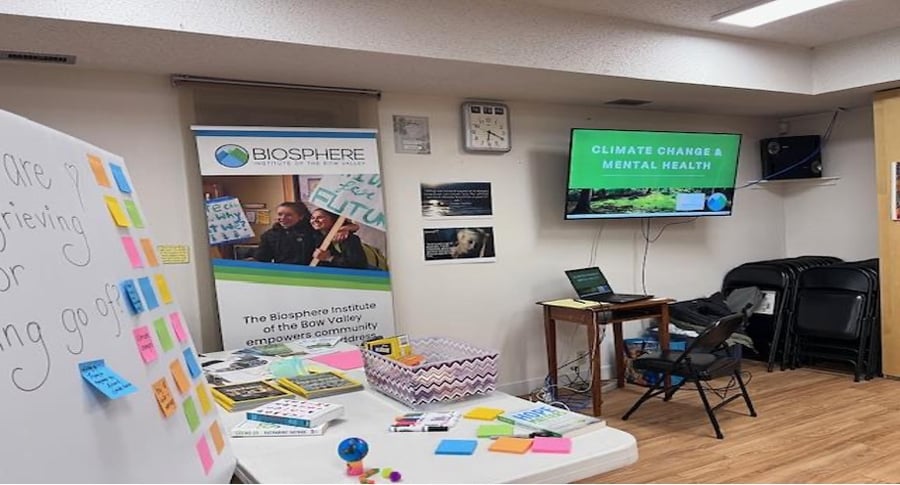
This initiative created welcoming and culturally grounded spaces where people could come together to talk honestly about how climate change feels and what it means for their lives, their communities, and the places they love and call home. Rather than rushing toward solutions, the workshops were intentionally designed to slow things down. They made room for connection, reflection, and shared responsibility.
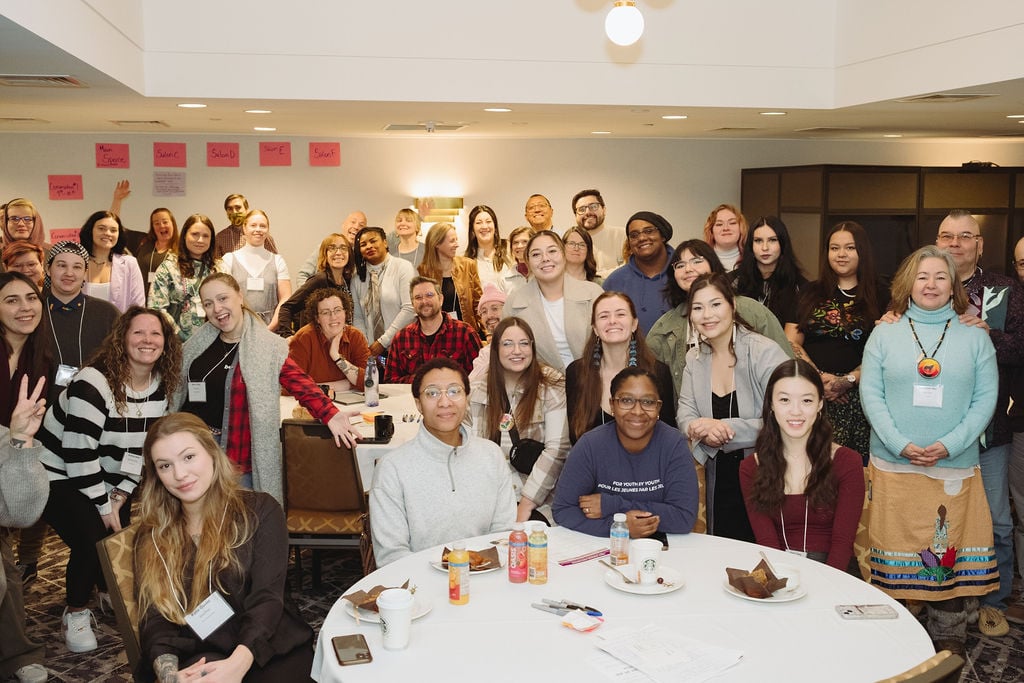
In three workshops, 66 community members gathered to explore what they were grieving, what they cared most deeply about, and how they might carry the work of climate resilience together. What emerged was both measurable and deeply human: stronger relationships, renewed courage, expanded leadership, and a noticeable shift in how climate action is understood and practiced in the Bow Valley.
The Active Hope initiative shows how investing in community-led climate action can strengthen connection, resilience, and collective action. By creating space for people to process the emotional impacts of climate change alongside more traditional approaches to climate preparedness, the project offers valuable lessons for communities seeking to build belonging, strengthen relationships, and sustain local climate action. It also provides a tangible example of what the Community Climate Transitions Innovation Fund, made possible through the generous support of the Definity Insurance Foundation, can help communities achieve.
Place, People, and Climate Reality
Bow Valley, Alberta, is a place of breathtaking beauty and deep interconnection between land, livelihoods, and community. Nestled in the Rocky Mountains and home to communities such as Banff and Canmore, life here is shaped by nature, tourism, and seasonal rhythms. People come to Bow Valley for the mountains, stay for the sense of place, and build their lives around a close relationship with the land. In recent years, wildfires and prolonged smoke events have become more common, darkening summer skies and disrupting daily life. Flooding and ecological changes are also affecting tourism, infrastructure, and the natural systems that people depend on (Environment and Climate Change Canada, 2023; Parks Canada, 2024).
At the same time, Bow Valley faces a unique set of pressures shaped by its tourism-driven economy. Many residents rely on seasonal or service-based work in hospitality, tourism, and recreation - jobs that are often insecure and highly sensitive to shifts in visitor patterns, climate disruptions, and broader economic shocks. Local labour market reviews highlight ongoing challenges with workforce stability and retention in Bow Valley, particularly in tourism-related sectors (Job Resource Centre, 2025).
These economic pressures are further intensified by a high cost of living and persistent housing insecurity. Housing needs assessments and community surveys consistently show that rising home prices and rental costs in communities such as Canmore are outpacing local wages, making it increasingly difficult for workers and families to remain in the region and contributing to growing social and economic inequities across the valley (Bow Valley Region, 2024; Town of Canmore, 2021).
Across Canada, climate change is increasingly linked to anxiety, grief, and emotional distress, particularly in communities already facing social and economic pressure. Climate-related hazards and the awareness of ongoing environmental change can trigger a range of emotional responses, including stress, fear, depression, and worry, and these impacts are often more severe among people with fewer resources or support systems (Mental Health Commission of Canada, 2023; CAMH, n.d; Hayes & Poland, 2018). In Bow Valley, concerns about climate change add to the pressures people already carry, yet there are few spaces where these feelings can be shared openly and honestly.
While climate initiatives do exist in the region, they have tended to focus on technical and policy solutions - important work but not the whole story. What has often been missing are spaces that recognize the emotional, relational, and cultural dimensions of climate change: how it affects people’s sense of belonging, agency, and ability to stay engaged over time (Moser, 2016; Clayton et al., 2017).
The Unspoken Gap: Climate Grief and Equity
What was missing in Bow Valley was space. Space to talk about how climate change feels. Space to acknowledge grief, fear, and loss. Space to understand how those emotions shape who participates in climate action - and who does not.
Climate grief, sometimes referred to as ecological grief, is the emotional response to the loss or anticipation of loss of ecosystems, species, and meaningful landscapes (Cunsolo and Ellis, 2018). This grief is not experienced evenly. Those who are deeply connected to the land, most exposed to climate impacts, or already navigating social and economic marginalization often carry a heavier emotional load. As Joanna Macy reminds us through her work on Active Hope, grief is not a sign of weakness or disengagement - it is a reflection of care. Acknowledging the pain for the world can become a starting point for connection, courage, and meaningful action, rather than paralysis or despair (Macy & Johnstone, 2022).
Without spaces that allow people to collectively name and share their climate grief, climate action risks becoming emotionally unsustainable and inaccessible to those carrying the greatest burden.
In Bow Valley, this gap was becoming increasingly visible:
-
People spoke openly about fear, sadness, and burnout
-
Climate anxiety compounded existing mental health challenges
-
Many felt isolated, unsure where to turn or how to act
Without accessible and inclusive spaces to explore these emotions, climate action risked becoming overwhelming and exclusionary. Addressing climate grief was not simply a matter of wellness - it was a matter of equity and long-term resilience.
The Intervention: Active Hope in Practice
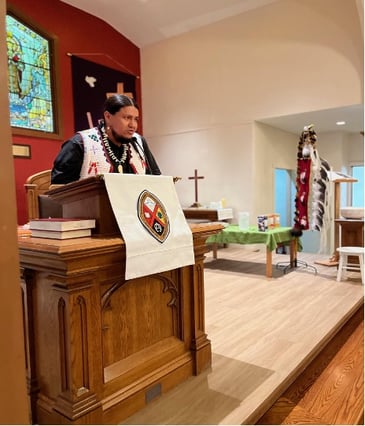
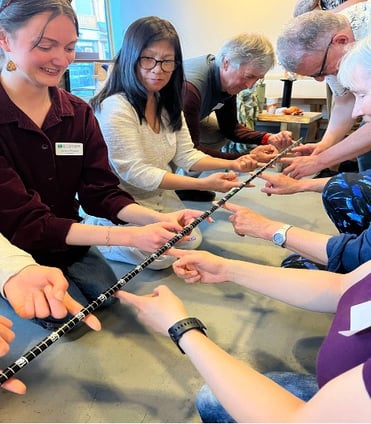
| Good Grief: Grieving Together Ralph Connor Church + Tobias Ear (Stoney Nakoda) |
Banff Mental Health Addictions & Awareness Week Daryl Kootenay (Stoney Nakoda) + BMHAW |
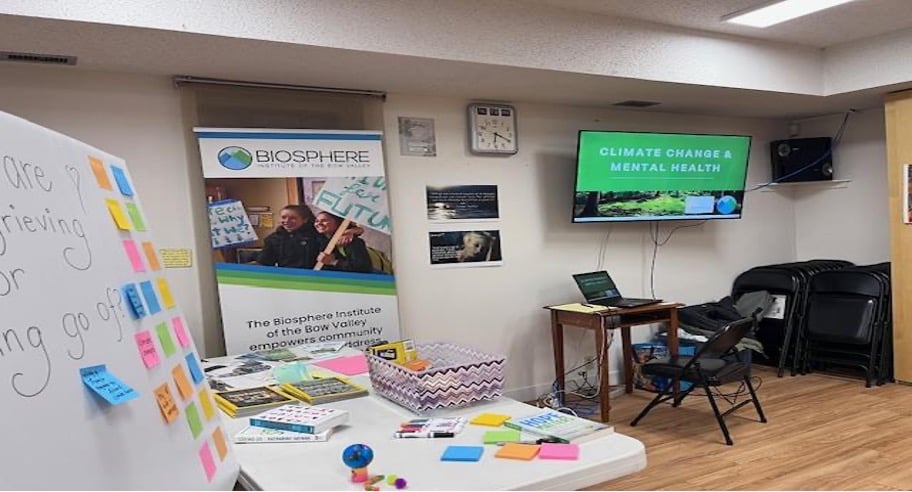
The Active Hope workshops were created as a direct response to this gap – the lack of space to speak openly about climate grief.
While climate risks were becoming more visible, there were few opportunities for people to process the emotional weight of those changes together. Climate conversations often moved quickly toward solutions, leaving grief and uncertainty unspoken and unresolved.
Active Hope took a different approach. Drawing on climate psychology, Indigenous teachings, and arts-based facilitation. The workshops invited people into a slower, more human conversation about climate change. One that centred emotion, relationship, and collective care as essential parts of resilience. Rather than treating grief as something to overcome, the workshops recognized it as a sign of care for place, for community, and for future generations.
The design of the workshops was intentional and grounded in the following values:
-
Sessions were rooted in Stoney Nakoda teachings, honouring long-standing Indigenous understandings of land, loss, and renewal
-
Facilitation focused on dialogue and reflection, not lectures
-
Accessibility was prioritized through honoraria, food, childcare, and trusted community venues
-
Leadership was shared among Indigenous knowledge holders, faith communities, grassroots organizers, and local partners
The workshops began not with the familiar question, “What solutions should we implement?”, but with deeper questions and reflections based on Joanna Macy’s “Work that Reconnects” framework:
-
Coming from gratitude: How did you experience joy, gratitude, connection and wonder today? What do we love, and what are we trying to protect?
-
Honouring our pain: What are we grieving as the climate changes around us?
-
Seeing with new eyes: What new perspectives have your gratitude and grief been inviting you to explore within yourself, your interconnection with other humans, nature and the Earth
-
Going forth: How do we carry this responsibility together, rather than alone? What does moving forward look like for you?
These questions and reflections shifted the tone of climate engagement in Bow Valley. Climate grief was no longer something private or isolating - it became a shared experience that strengthened connection, courage, and commitment.
Support from the Tamarack was essential in making this work possible. Tamarack’s funding enabled honoraria, skilled facilitation, and welcoming spaces that fostered trust and belonging. Just as importantly, Tamarack’s role as a convener and connector helped build credibility, unlock partnerships, and strengthen collaboration. Tamarack’s coaching, learning resources, and national networks supported a more intentional, equity-centred approach and showed how strategic investment can create far-reaching impact.
What Changed: Outcomes and Impact
Across three workshops:
-
66 community members participated directly
-
91% reported the workshops were helpful
-
83% felt more connected to their community
-
75% learned about local mental health or climate resources
-
Six partnerships were newly formed or strengthened
What Participants Experienced
Beyond the numbers, participants shared something deeper.
Many spoke about the relief of realizing they were not alone. Others described leaving the workshops with a renewed sense of clarity and courage. Words like “felt seen” and “less isolated” came up repeatedly. For some, this was the first time climate action felt like a shared experience - something people could stay connected without burning out.
What Shifted at a Systems Level
To understand the broader impact of this work, the project was also examined through the Waters of Systems Change framework, which looks beyond individual activities such as policies, practices and resource flows to how relationships, power, and mental models shift over time.
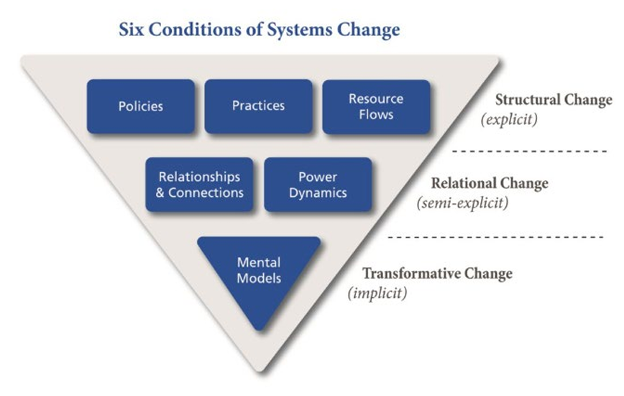
The Six Conditions of Systems Change is a component of the Water of Systems Change, a framework for understanding broad systems change that was developed by John Kania, Mark Kramer, and Peter Senge.
Applying this model to the project enables us to identify and understand the conditions which facilitate systems change.
Policies & Practices
-
Honoraria challenged traditional norms by valuing lived experience alongside professional expertise.
-
Workshop design modelled trauma-informed and equity-centred practices.
Relationships, Connections & Power Dynamics
-
Trust deepened between Indigenous leaders, churches, mental health organizations, grassroots groups, and local businesses.
-
Leadership became more distributed and representative.
Mental Models
-
Climate resilience began to be understood as something deeply relational, cultural, and emotionally-grounded in Stoney Nakoda teachings and arts-based practices - rather than only as technical or policy-driven solutions.
-
Climate grief was no longer seen as an individual burden to carry, but as a shared experience that calls for collective care and connection.
This shift in mental models may be the most enduring outcome of the Active Hope workshops, reshaping the community's understanding of resilience.
What Made This Work Possible
Several key factors made this work possible. Most importantly, it was rooted in community.
-
Indigenous leadership grounded the workshops in culture, relationship, and respect for the land.
-
Trusted community partners made it easier for people to show up by creating familiar, welcoming spaces.
-
Local businesses stepped in with in-kind support, showing that resilience is a shared responsibility.
-
And practical supports like food, childcare, and honoraria made it possible for people who are often left out to take part.
In the end, resilience did not come from a single organization or program. It grew out of many relationships, working together.
Learning Along the Way
Two important lessons became clear.
-
One-off workshops are not enough. People are looking for ongoing spaces where they can continue to connect, reflect, and support one another.
-
Relational work takes time. Trust, healing, and resilience grow through steady, long-term care – and not through isolated events.
Ripples and Replication Potential
The impact of this work is already spreading.
-
People are more open to talking about mental health as part of climate action.
-
Relationships across sectors - community groups, service providers, and local organizations have grown stronger.
-
There is growing interest in weaving emotional resilience into community planning, not as an add-on, but as a foundation.
What happened in Bow Valley is not unique to one place. This approach offers a hopeful path for many communities, especially rural and tourism-based regions, and those facing the combined pressures of climate change and mental health challenges.
What Comes Next
Looking ahead, the goal is to build on what has already begun.
-
Create a sustained series of workshops so people can keep coming back to connect and reflect together.
-
Deepen arts-based and intercultural practices that help people make sense of climate change in meaningful ways.
-
Strengthen long-term partnerships with Indigenous leaders and grassroots organizations, keeping shared leadership at the heart of the work.
Making this next chapter possible will take steady support over time - support that recognizes real change happens when relationships are nurtured and allowed to grow.
Why This Story Matters
Active Hope in Bow Valley reminds us that climate action is not built by infrastructure, policy, or technology alone. It is built through people - through relationships, care, and the courage to name what feels hard, together.
When communities are supported to grieve, connect, and lead collectively, isolation gives way to agency. Climate action becomes something people feel grounded in, not something that overwhelms them.
At a time when climate impacts are accelerating, and many communities are struggling to keep going, this work offers a hopeful and practical way forward. It invites funders, policymakers, and community leaders to invest not only in solutions, but in the human conditions that make those solutions possible.
This is a story of grassroots courage and collective care. It shows what can happen when we choose connection over isolation, hope over despair - and why this approach is ready to be shared, adapted, and carried forward by communities across Canada.
Acknowledgments
This work was made possible through the generosity, trust, and leadership of many people in the Bow Valley. We are deeply grateful to the Îyârhe Nakoda knowledge holders, community members, and local partners who shared their stories, wisdom, and time. We acknowledge the Biosphere Institute of the Bow Valley for its leadership and Tamarack Institute for its support through the Community Climate Transitions Innovation Fund. We also gratefully recognize the Definity Insurance Foundation, whose generous funding made this initiative possible. Most importantly, we thank the participants who showed up with openness and courage, this story belongs to them.