
This case study was drafted by the Community Climate Transitions (CCT) team at Tamarack. We extend our sincere thanks to the participants of the first Adaptive and Resilient Communities cohort in 2025, whose openness, feedback, and leadership shaped these learnings and led to the reflections captured in this case study.
AT A GLANCE: WHY THE ADAPTIVE AND RESILIENT COMMUNITIES COHORT (ARCC) MATTERS
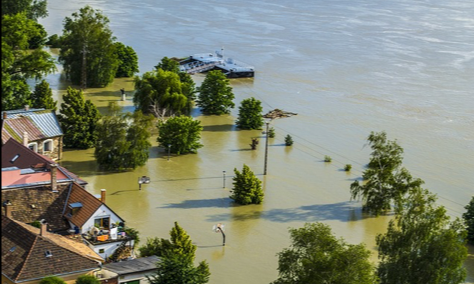
Across Canada, communities are increasingly facing climate change impacts such as flooding, extreme heat, and wildfire smoke. While many municipalities and local organizations recognize the urgency to act, they often face persistent barriers: fragmented partnerships, limited capacity, insufficient resources, and challenges to embedding equity and reconciliation into adaptation efforts.
The Adaptive and Resilient Communities Cohort (ARCC) was created to respond to these challenges.
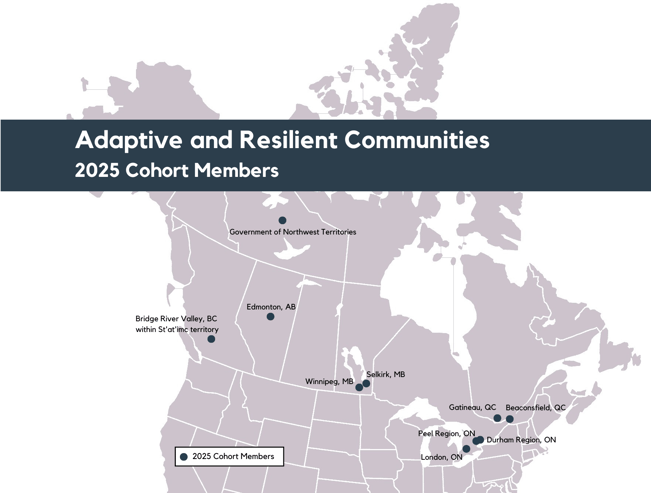
In 2025, ARCC brought together 10 community-based collaborative teams for a 10-month applied learning journey designed to strengthen local capacity for climate adaptation and resilience. Each team consisted of at least two partners, typically a municipality or regional government working alongside a local non-profit, community group, or neighbourhood association.
Rather than focusing on planning alone, ARCC supported communities to build the relationships, skills, and confidence needed to move from intention to action.
Key outcomes from this first cohort included:
-
Stronger cross-sector collaboration within and across communities
-
Increased confidence in engaging equity-denied communities in adaptation work
-
Practical application of tools for engagement, conflict transformation, and storytelling
-
Momentum to advance or launch locally grounded resilience initiatives
ARCC aligns closely with Canada’s National Adaptation Strategy and its guiding principle of advancing equity, reconciliation, and climate justice.
CONTEXT and PURPOSE
ARCC was designed to catalyze community-led climate adaptation and resilience projects across diverse Canadian contexts. The core objective was to support teams not only to strengthen their immediate projects but to establish solid foundations for collaboration that would endure beyond the cohort itself. In 2025, 10 collaborative teams were engaged in a journey of applied learning and action. Participants joined the cohort at varying stages, some with emerging ideas, others with established initiatives – but all shared the common challenge of navigating complexity while working across systems, sectors, and communities.
The ARCC journey offered a structured yet flexible learning environment that emphasized:
-
Relationship-building and trust
-
Equity-centred engagement
-
Shared leadership and collaboration
-
Learning-by-doing, supported by coaching and peer input
LEARNING JOURNEY
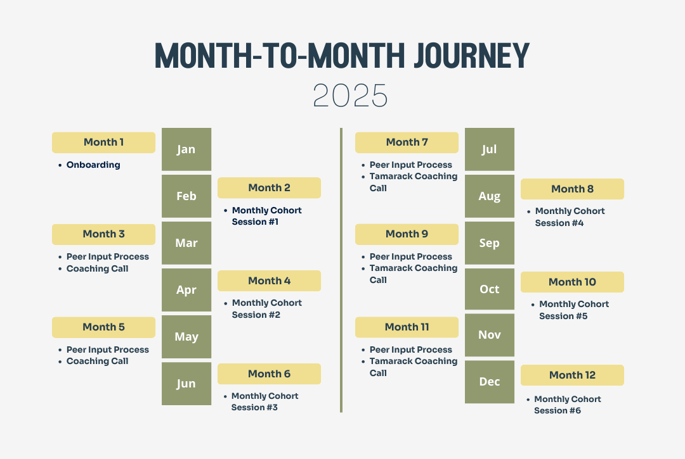
The ARCC journey consisted of monthly community of practice sessions, peer input processes, group and individual coaching, as well as guided support to access Tamarack’s tools and resources, designed to help communities work through barriers to action. After onboarding the 10-member communities, the cohort held its first monthly meeting in February 2025, and meetings ran through December 2025.
The topics addressed during the community of practice sessions included:
In addition to the above community of practice sessions, teams had the opportunity to engage in emergent learning sessions, which included receiving support from Tamarack’s Learning Center coaches and participating in the peer input process to receive feedback from their peers.
PARTICIPANT REFLECTIONS
At the end of the journey, participants were asked to reflect on the highlights of the cohort, the challenges they faced, and their main takeaways. Overall, participants were satisfied with the ARCC community of practice sessions, including the content presented, the facilitation of the sessions, and the topics discussed.
“I learned so much information to apply directly to my work.”
ARCC 2025 Participant
“The national calls providing knowledge and resources to support the work and the individual consultations were very helpful.”
ARCC 2025 Participant
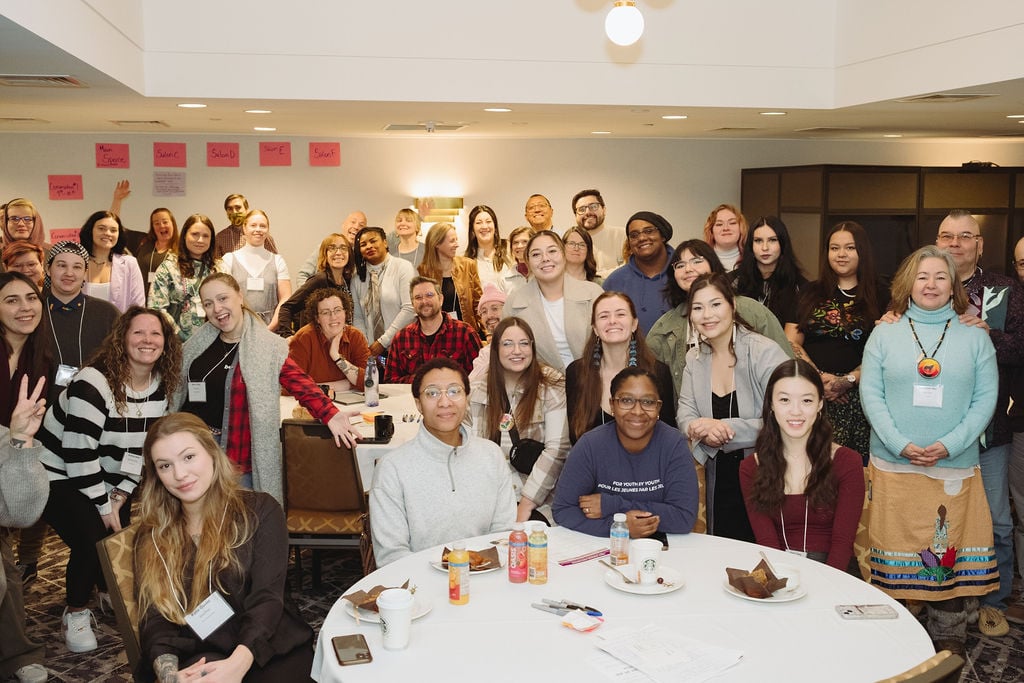
Participants noted that the main highlight of the cohort was the opportunity to connect and work with others both within and outside their community, on their climate adaptation and resilience projects. This process enabled them to start bringing people together, strengthening their relationships, and building towards a common purpose.
“Connecting with others, seeing similarities…and not feeling alone [were the highlights of the cohort]. Good to have conversations and make new connections!”
ARCC 2025 Participant
Teams also expressed their appreciation for Tamarack’s coaches and for the ability to receive 1:1 coaching early in the process. One of the main challenges the cohort faced during their journey was staff turnover at Tamarack. Some noted that communication could have been improved, particularly around meeting reminders for the cohort. Moving forward, the Tamarack team will reinforce communication channels for the second cohort.
KEY LEARNINGS
Several key learnings emerged from the 2025 cohort, as teams grew and implemented their climate adaptation and resilience projects:
-
Communities value applied learning that directly supports real-world challenges.
-
Among the many tools and resources shared during the cohort, participants particularly valued the 10 GUIDE - A Guide for Building a Sustainable and Resilient Collaboration and the storytelling template for members.
-
Participants appreciated building their skills in storytelling to communicate their impact.
-
One-on-one coaching and peer learning significantly enhanced confidence and momentum in community projects.
-
Relationship-building, as a form of technical knowledge and practice, is critical to advancing climate equity and justice.
-
Equity-centred approaches require time, trust, and intentional design.
TAKE ACTION AND JOIN THE 2026 COHORT
Building on the key learnings from the first year, a second ARC cohort will be launched in 2026, with opportunities for personalized coaching and a monthly community of practice.
Curious to learn more and join the second edition of the Adaptive and Resilient Communities Cohort (ARCC)? Contact Erika Massoud, Community Animator at Tamarack, at erika@tamarackcommunity.ca.
More information on the 2026 cohort is available on our website by clicking here. To stay up to date, sign up for our Community Climate Transitions Newsletter.
Acknowledgement of Support
Tamarack’s Adaptive and Resilient Communities Cohort is made possible thanks to generous support from the Government of Canada. We would also like to thank our partners, Climate Caucus and Partners for Action, for their support and thought partnership in this project.