Description
A 4-Part Connected Webinar Series | March 18, 2026 | May 20, 2026|July 15, 2026 | September 23, 2026
Climate adaptation is no longer a question of if - but of how. And across Canada, communities are discovering a shared truth: the hardest barriers to climate adaptation are not technical. They are relational, institutional and systemic.
Bridging Barriers is a four-part, connected webinar series designed for municipalities, Indigenous rights holders, community organizations, and cross-sector partners who are ready to move from climate planning to equitable, real-world implementation.
Rather than offering disconnected “best practices,” this series creates a learning journey. Each session intentionally builds on the last - guiding participants from naming what gets in the way, to building internal readiness, to designing engagement rooted in belonging, and finally to taking action through strong multi-sectoral partnerships.
Webinars in the series
Part One: Naming the Barriers - Understanding Common Barriers to Equitable Engagement in Climate Adaptation
Date: March 18, 2026
Part Two:
Building Internal Readiness -
Shifting Culture & Practices for Inclusive Engagement
Date: May 20, 2026
Date: July 15, 2026
Part Four: Multi-Sectoral Partnership in Action Breaking Silos: Tools for Cross-Sector Collaboration
Date: September 23, 2026
What participants will gain from the Series
By committing to all four sessions, participants will:
-
Strengthen their ability to lead equitable climate adaptation from within their organizations
-
Build readiness for collaboration across departments, sectors, and communities
-
Learn how to design engagement processes rooted in belonging, lived experience, and trust
-
Develop practical approaches to multi-sectoral partnership and shared action
-
Connect with peers facing similar implementation challenges across Canada
Participants are strongly encouraged to attend all four sessions, as the content, tools, and reflections are cumulative and designed to deepen over time.
Part one: Naming the Barriers - Understanding Common Barriers to Equitable Engagement in Climate Adaptation
Session 1 lays the foundation for the series by addressing the hidden barriers that often limit equitable climate adaptation. Participants explore systemic, institutional, and cultural challenges, review real-world examples of mistrust and fragmented governance, and build a shared language across sectors. This session sets the stage for solution-focused discussions and collective action in the sessions that follow.
Part Two: Building Internal Readiness - Shifting Culture & Practices for Inclusive Engagement
Equitable climate adaptation does not begin in the community; it begins inside our institutions. Following Session 1’s exploration of naming the barriers, Session 2 turns the lens inward. This session focuses on the internal conditions that either enable or quietly undermine equitable community engagement. Participants will examine how organizational culture, leadership norms, policies, timelines, and resourcing shape who is invited to participate in climate decision-making and how power is shared.
Through practical tools such as Equity, Accessibility, and Reconciliation (EAR) audits, participants will explore what it means to build readiness across departments and teams—not as a one-time exercise, but as an ongoing leadership practice. Real-life examples will help participants identify the policy shifts, capacity investments, and leadership behaviours needed to support inclusive engagement and cross-sector collaboration.
This session is about moving from intention to readiness, so that when communities are invited to engage, institutions are truly prepared to meet them.
Part three: Designing for Belonging - Methods for Inclusive Engagement & Centring Lived Experience
July 15, 2026 | 1:00 PM - 2:00 PM EDT
Once internal readiness is in place, the question becomes: How do we design engagement that people want to be part of?
Session 3 shifts from internal systems to the design of engagement itself. Moving beyond transactional consultation, this session explores how climate adaptation efforts can be co-created with communities, centring lived experience, cultural relevance, and belonging.
Participants will learn about trauma-informed and culturally responsive engagement practices that recognize the emotional, historical, and social dimensions of climate impacts. The session will also highlight Indigenous partnerships and grassroots-led models that are redefining how trust, leadership, and shared ownership are built in climate adaptation. This session invites participants to rethink engagement not as a process to manage but as a relationship to nurture. The result is adaptation work that feels grounded, inclusive, and deeply connected to community priorities.
Part Four: Multi-Sectoral Partnership in Action - Tools for Collaboration
September 23, 2026 | 1:00 PM - 2:00 PM EDT
Climate adaptation does not happen in isolation, and neither can the solutions.
The final session brings the series together by focusing on multi-sectoral partnership in action. Building on the foundations of readiness and belonging, Session 4 explores how municipalities and partners can move toward shared, cross-sector implementation.
Participants will examine examples of communities aligning climate adaptation with local priorities (e.g. health, housing, and social services). This session is about nurturing momentum by translating relationships, trust, and shared vision into coordinated action.
This webinar series is aligned with Leading Together: Local Governments Advancing Equitable Climate Resilience, an action-oriented learning cohort delivered by the Tamarack Institute, with funding from the Federation of Canadian Municipalities (FCM)’s Green Municipal Fund and the Government of Canada.
SEssion four speakers
Andrea Miller. Program Lead, Sustainability Services. Alberta Municipalities
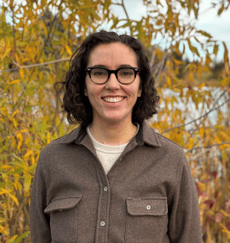
Andrea Miller is a Program Lead in Sustainability Services at Alberta Municipalities. Andrea is a communicator and network broker, delivering funding and capacity building programming to support municipalities and Indigenous governments across Alberta with adapting to a changing climate and building resilient communities. Andrea lives in Treaty 6 territory and the homelands of Métis people in Edmonton, Alberta.
Ronak Patel. Program Manager, Sustainability Services. Alberta Municipalities
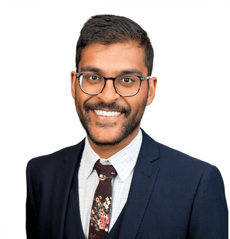
Ronak Patel works at Alberta Municipalities as a Program Manager in Sustainability Services, helping communities build capacity for climate action through the Municipal Climate Change Action Centre. Working on education, technical support, and funding programs, he focuses on making complex ideas useful, practical, and sometimes even fun. Ronak lives in Treaty 6 territory and the homelands of Métis people in Edmonton, AB
Stephen Ngonain. Team Lead, Communities Climate Transitions. Tamarack Institute
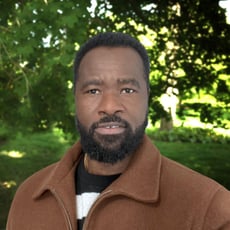
Stephen Ngonain leads the Communities Climate Transitions Network at the Tamarack Institute, where he works at the forefront of advancing community-led, equity-centered climate action across Canada. With over a decade of experience, he brings a deeply grounded, practice-based perspective shaped by working alongside municipalities, Indigenous rights holders, and community organizations to move from climate ambition to real-world implementation.
Bringing a systems lens informed by cross-sector collaboration and lived experience, Stephen focuses on strengthening the relational and institutional conditions that make community-led resilience possible - bridging governance gaps, shifting systems and practices, and building the trust required for meaningful collaboration.
Jorge Garza. Director, Networks for Change. Tamarack Institute
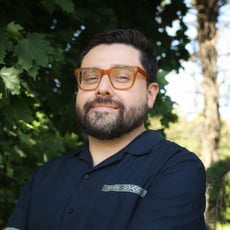
Jorge collaborates with leaders from across sectors to implement community-led initiatives that address economic poverty, strengthen our relationships with the planet and each other, and advance promising career pathways for youth.
His career in the non-profit and philanthropic sectors, including roles at the Metcalf and McConnell Foundations, is guided by core values of generosity and authenticity. A realistic optimist, Jorge believes in everyone’s potential to build just and regenerative futures. He also advocates for cities of all sizes to be catalysts for social transformation. Jorge currently serves on the Board of Directors of Fondation Béati.