Story co-CREATED by Betina Wheeler, Natalie Johnston, Annie Sudeyko, Ken Wong, Alison Homer, Nathan Li, and Jorge Garza
In New Westminster, a simple question is helping strengthen connection, belonging, and community: Will You Be My Neighbour?
As New Westminster grows and becomes increasingly diverse, creating opportunities for people to build relationships across differences is essential to a healthy, inclusive, and welcoming community. Local leaders, residents, businesses, health partners, and community organizations came together around a shared goal: strengthening connection and belonging.
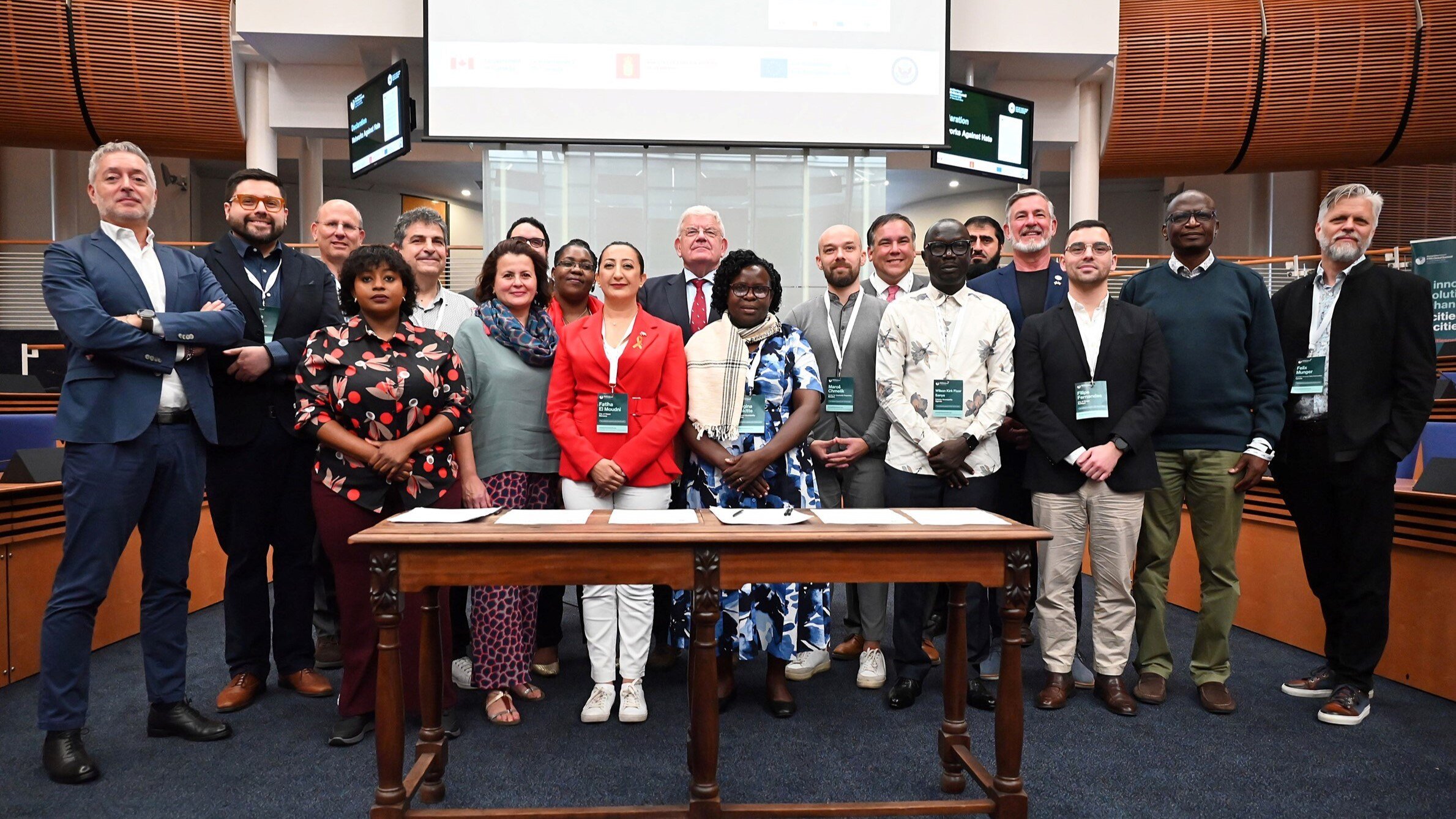
Will You Be My Neighbour? grew out of the City of New Westminster’s participation in Tamarack Institute’s Circle of Actions initiative in 2024. Representatives from Fraser Health, the City of New Westminster, the New Westminster Homelessness Coalition Society, the Downtown Business Improvement Association, the Lower Mainland Purpose Society, and community members came together to explore how belonging could be strengthened in practical ways. Supported by a small Tamarack grant, the team launched the project later that year.
Connected to the anti-stigma and community engagement priorities of New Westminster’s Homelessness Action Strategy, and to their City Council’s 2023-2026 Strategic Priorities Plan, which identifies belonging and connecting as a strategic priority, the project creates spaces where residents, businesses, community organizations, and unhoused community members can meet as neighbours and contributors to the same community. The concept of belonging and connecting has increasingly influenced municipal initiatives, programs, and community investments across the city.
The work is grounded in a simple belief: belonging grows through relationships. Guided by the message, “Creating belonging... one story, one moment, one neighbour at a time,” the team chose an asset-based approach that builds on the strengths already present in local businesses, community organizations, public spaces, neighbourhood networks, and residents themselves. Rather than focusing solely on community challenges, the initiative creates opportunities for people to connect, share experiences, and strengthen relationships across differences.
Over the last two years, hundreds of residents have participated through community conversations, public events, surveys, open mic nights, arts-based activities, and belonging-focused initiatives.
A survey conducted in summer and fall 2024 with 102 people who lived, worked, or spent time downtown revealed something unexpected. While the project team anticipated hearing concerns about neighbourhood challenges, most respondents spoke positively about their community, local spaces, and the relationships they already had.
Those findings reinforced the project’s decision to build from community strengths rather than deficits. They also reflected a growing recognition that belonging matters. Through Will You Be My Neighbour?, local partners are creating opportunities for residents to strengthen those connections in practical, everyday ways.
A standing-room-only Belonging Open Mic demonstrated the appetite for spaces where people could share stories and experiences. More than 65 people attended a Blue Monday event focused on mental health, connection, and belonging. The team also developed a Downtown Community Asset Map that encourages residents to discover organizations, businesses, services, and spaces that contribute to community life.
The project has hosted two Belonging Challenges, each designed to help residents practise belonging through everyday actions. The first challenge, held during Homelessness Action Week in 2025, encouraged participants to take small steps that strengthened connection and community. Those actions created ripple effects that extended well beyond the challenge itself. One participant organized a newcomer donation event involving more than 30 volunteers and over 100 participants. Another reported getting to know two neighbours they had never previously spoken with.
Building on those successes, an expanded community-wide Belonging Challenge is running through September 2026. Participants are encouraged to meet new people, perform acts of kindness, explore unfamiliar community spaces, share food with neighbours, attend social events, and build understanding across generations and lived experiences.
Alongside these activities, the project has helped strengthen relationships across sectors that do not always work together around a common goal. Residents, people with lived experience of poverty and homelessness, City staff, health partners, artists, community organizations, and local businesses have all contributed to the work.
The business community's involvement has been especially important. The Downtown Business Improvement Association was part of the conversation from the beginning and helped bring business leaders into discussions about belonging, anti-stigma work, and neighbourhood wellbeing. The Downtown and Uptown Business Improvement Associations are currently engaged with the project and contributed prizes for the Belonging Challenge. Individual businesses have also supported WYBMN events, such as Blue Monday by donating refreshments and speaking to the value they feel initiatives like WYBMN bring to commercially focused neighbourhoods. The project demonstrates that belonging is not solely the responsibility of governments or community organizations. Businesses also have a role to play in creating welcoming, connected communities.
The initiative has also built relationships with other groups working on belonging from different perspectives, including New Westminster Family Place, the WINS Local Immigration Partnership Committee, and the Royal City Literary Arts Society. These have helped expand conversations about belonging beyond any single organization or sector, embedding the concept more deeply across community initiatives, events, and networks throughout New Westminster.
Participation in Will You Be My Neighbour? has helped inform how the City advances this priority. Activities and events launched through the initiative have highlighted practical ways to make civic spaces more welcoming and inclusive, particularly for people who face barriers to participation. The work has also demonstrated the value of partnering with residents, businesses, and community organizations to strengthen belonging across the community.
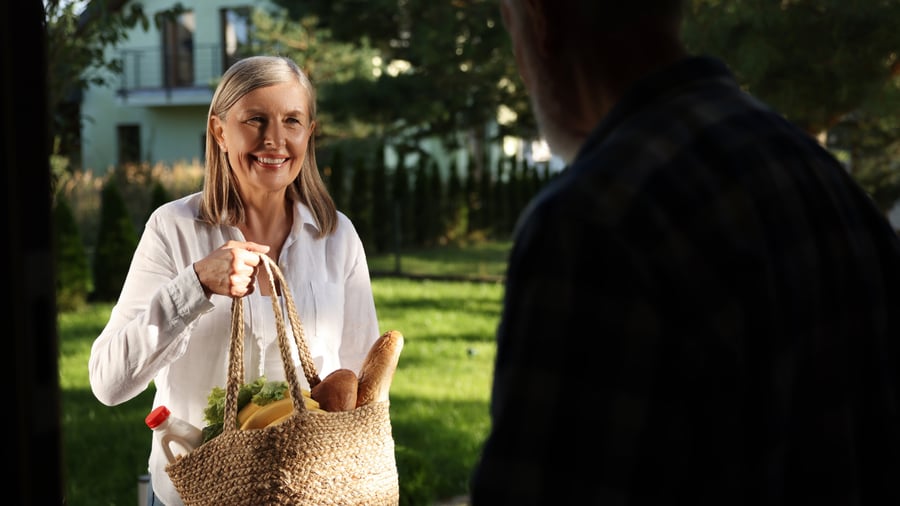
One story in particular stayed with the project team. A Belonging Challenge prize winner received a gift certificate to a local restaurant and decided to use it to take a senior neighbour living on a fixed income out for a meal. The team may never know the long-term impact of that dinner. What they do know is that a small act of generosity became an opportunity for connection, reflecting exactly the kind of neighbourliness the project hopes to inspire.
The initiatives, events, and partnerships have produced more than participation and attendance numbers. One of the most important changes has been a shift in how belonging itself is understood. What was once seen as a social or "nice-to-have" outcome is increasingly being recognized as a practical strategy for reducing stigma, increasing participation, strengthening relationships, and building a stronger, more resilient community.
The project's anti-stigma work often happens quietly. Free events are designed so everyone can participate regardless of income. People meet through shared activities rather than labels. As relationships form and stories are shared, homelessness and poverty become less abstract and more human.
Leadership development has been another important outcome. Community members have helped organize events, design materials, build partnerships, and shape future directions. Participants from the Community Action Network, a leadership initiative that supports people with lived experience of poverty and homelessness, have contributed directly to the project and its vision.
Like many community initiatives, the work has faced challenges. Building participation takes time. Some events have attracted large audiences while others have struggled to draw people out. Organizers continue to grapple with how to move from hosting activities themselves toward supporting residents to take the lead.
That challenge has inspired the next phase of the work: a Neighbourhood Connector model that would train and support residents to build relationships, organize local activities, and strengthen neighbourhood networks. Rather than relying on a small group of organizers, the model would help community members become the drivers of belonging in their own neighbourhoods.
The team is currently seeking funding to bring that vision to life. If successful, the model could be expanded beyond downtown New Westminster into the Uptown and Brow of the Hill neighbourhoods in partnership with a newly established Neighbourhood House serving many diverse and vulnerable residents.
Will You Be My Neighbour? is about creating a culture of connection. By bringing people together across differences and encouraging small acts of neighbourliness, the project is helping build a stronger foundation for belonging, reducing stigma, and creating a community where more people feel seen, valued, and included.
What began as a Tamarack-supported experiment is helping embed belonging into community life in New Westminster. Through conversations, community challenges, public events, and everyday acts of neighbourliness, the initiative is showing how small actions can strengthen relationships, reduce stigma, and create a community where more people feel welcome, valued, and connected.
Learn more
-
New Westminster City Council Strategic Priorities Plan (2023-2026) with belonging embedded into:
-
The Crises Response Pilot Project (2024-2026): Addresses the overlapping crises of homelessness, mental health and substance use; includes anti-stigma as a strategic priority
-
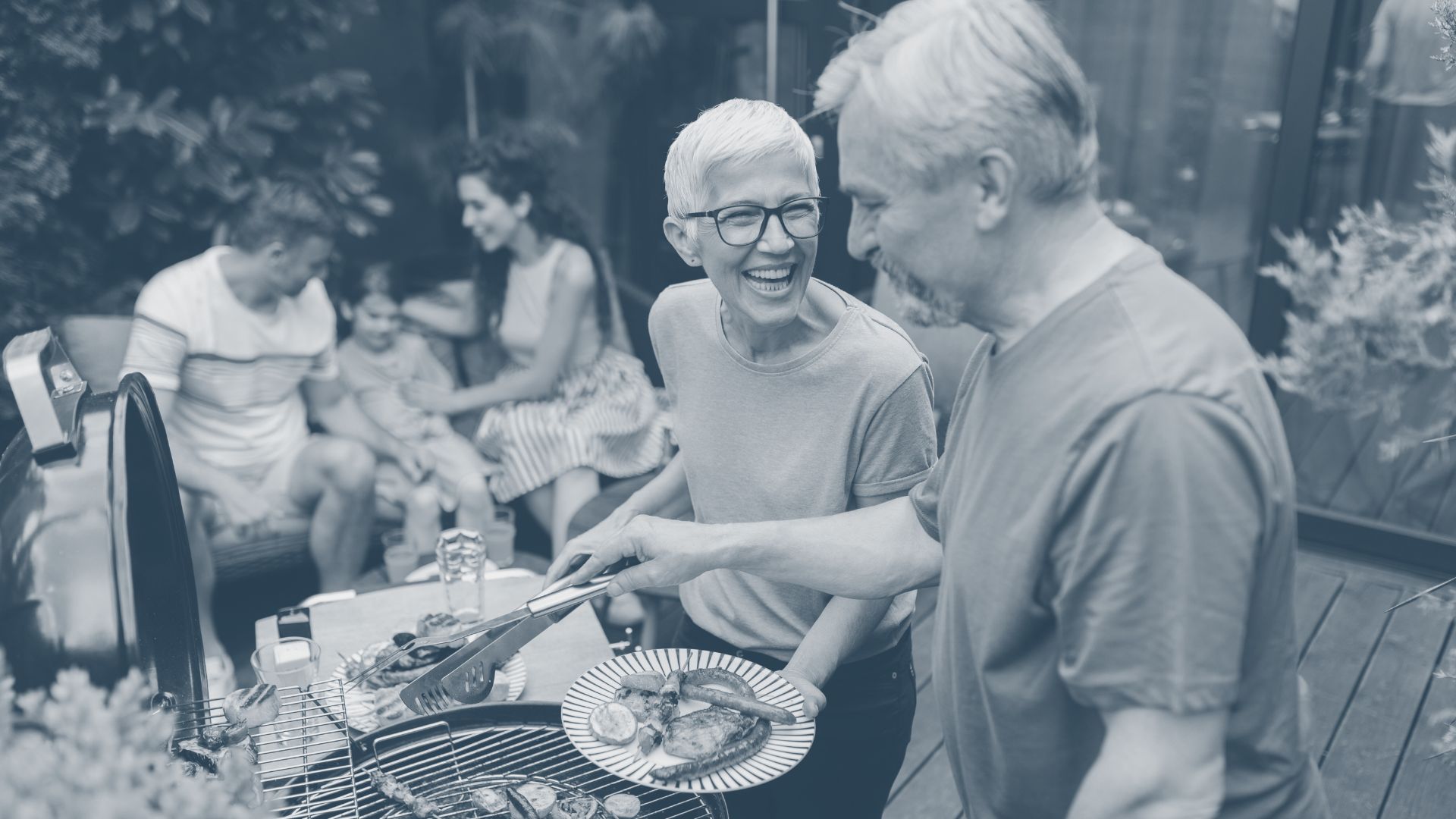
Food Security and Systems Plan (2025): Identifies food as a source of social connection and includes actions to celebrate diversity and foster belonging through food
-
Age Friendly Strategy (2026): Actions emphasize connection and social participation as key resiliency, safety, and wellbeing factors for older adults.
-
People, Parks and Play 10 Year Comprehensive Plan for Parks and Recreation (2026): Includes Community Belonging, Connections and Wellbeing as a foundational theme.
-
Downtown’s Living Room (2025): Weekly community gathering for residents to spend time, connect, and share with one another.
-
Our Approach to Artificial Intelligence
Tamarack uses artificial intelligence thoughtfully to support aspects of our work while maintaining human oversight, community voice, transparency and accountability. We are committed to being transparent about how we use AI, where we choose not to use it, and the tensions we are navigating as these technologies evolve.