
Story co-written with Kate Keaney, Géorgie Gagné, and Alison Homer
Pathways for Youth Employment in Sudbury, Ontario
Young people in Sudbury are gaining access to something many identified as missing from their employment journeys: meaningful connections with employers, mentors, and professionals who can help open doors to career opportunities. Through Future North's work, youth who described feeling isolated in their job search are building networks, confidence, and relationships that can support their career goals. For some, these connections have also provided a broader understanding of the challenges other young people face when trying to access employment and the supports available to help them succeed.
The need for this work became clear through conversations with local youth. One young person spent nearly a year searching for employment before securing a finance position, despite having accounting education and relevant skills. During her search, she considered working in retail because opportunities in her field felt out of reach. Looking back, she felt that stronger professional connections, mentorship, and feedback from employers could have helped her find employment sooner.
Her experience reflects challenges that many youth in the region continue to face. Young people report difficulty finding work without prior experience, while employers are often reluctant to hire youth because they lack experience. Transportation barriers across the large geographic region, affordability pressures, the social impacts of the pandemic, racism, and ageism can create additional obstacles. Many youth also report not knowing where to turn for support or how to build the professional networks that can help them access opportunities.
Supporting Youth to Build Skills and Networks
In response to the difficulties youth face in starting their careers, Future North has focused on creating opportunities for youth to build both skills and connections. Feedback gathered through Sip n Spill events has informed programming designed to connect young people with professionals and employers while strengthening confidence and community relationships. Rather than creating another siloed service, the collaborative has focused on bringing people, information, and opportunities together.
This approach is also influencing systems change efforts. Future North has begun research to better understand barriers faced by youth with learning and physical disabilities so that future programs can be more accessible. The work reflects several factors highlighted in Canada's Quality of Life Framework, including social connections, a sense of belonging, and opportunities to pursue future goals. Feedback from youth consistently pointed to the importance of connection, community, and access to people who can help them navigate employment pathways.
That learning directly influenced the design of the Future Ready – Job Search Readiness Summit. Youth shared that they were looking for opportunities to reconnect in person and were experiencing screen fatigue from work, school, and social media. In response, organizers selected a centrally located venue that was accessible by public transit and included accessible washrooms and wellness supports. Flexible seating arrangements, note-taking materials, fidget tools, and space for movement and breaks helped accommodate different learning styles and accessibility needs. The summit also reduced financial barriers by providing free meals, professional headshots, and First Aid training vouchers.
Future North is also preparing to launch WHY2K (Workers Helping Youth 2 Kickstart), a mentorship initiative that will connect youth with professionals working in careers they want to explore. The program is now entering a testing phase involving three mentor-mentee pairs representing early-career, seasoned professional, and retired mentor streams. Feedback from participants will be used to refine the program before its planned launch in September.
The work is also helping challenge assumptions about youth employment. Leadership table members have highlighted the need for employers to see youth hiring as a long-term investment rather than focusing solely on experience. By increasing understanding of the barriers youth face and the value they bring to workplaces, the collaborative hopes to encourage more supportive hiring and training practices.
Promoting Youth Leadership and Decision-Making
Youth themselves have played a significant role in shaping this work. Twenty youth have helped design, implement, or evaluate project activities. Seventeen youth have participated on leadership tables and twenty have helped lead or co-implement community innovations. Young people have contributed to engagement activities, accessibility research, project design, and branding efforts, ensuring that initiatives reflect youth priorities and lived experiences.
One of the first major initiatives was the Future Ready – Job Search Readiness Summit. Participants received Future Ready Kits containing job-search resources, goal-setting materials, and practical tools to support their employment journeys. They also received a Job Readiness Summit certificate endorsed by partner organizations and free First Aid vouchers through a partnership with Saint John Ambulance.
The kits continued to be useful after the event. Youth reported using the portfolio checklist included in the kit to prepare for interviews and appreciated practical items such as pens and mints that helped them feel prepared for unexpected meetings or opportunities. Career planning notebooks included in the kits were used during summit activities and gave participants a tool to continue reflecting on their goals after the event.
One youth participant reflected on the impact of the summit, noting that the professional headshots, employment resources, and discussions about barriers to work helped broaden their understanding of other young people's experiences. They also appreciated learning about work-life balance and looked forward to using the First Aid voucher to support their ongoing work as a lifeguard. As they reflected on the event, they shared, “I really appreciated the resources that were shared.”
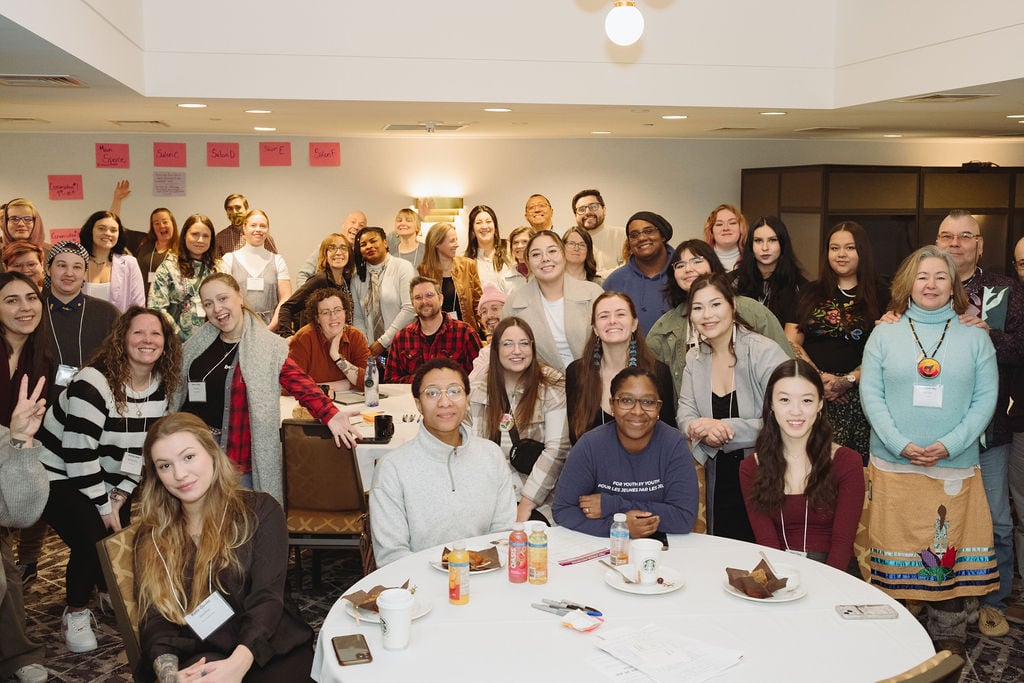
The summit itself provided an unexpected lesson. Organizers had expected approximately 200 participants, but attendance dropped to 25 when the largest storm of the year hit the region. Rather than cancelling, the team adapted and transformed the event into an interactive learning circle. The smaller format created more opportunities for youth to speak directly with employers, presenters, and one another. What initially appeared to be a setback became a valuable insight: deeper connections can sometimes have greater impact than larger events.
To date, 38 youth have accessed skills, employment, and education programming informed directly by youth feedback. Twenty youth have engaged in leadership roles, seventeen have participated on leadership tables, twenty have helped lead or co-implement innovations, and three employers have actively contributed to the work through leadership, program design, and event participation.
Several factors have helped drive this progress. Hiring a youth project lead increased the community's capacity to move ideas into action. The collaborative's willingness to adapt, learn from challenges, and test new approaches has also been critical.
Support from The Tamarack Institute contributed to Future North's thinking about employer engagement and mentorship. Through learning opportunities and conversations with Tamarack staff, the community explored new ways to engage employers as partners in reducing barriers for youth. These discussions sparked interest in developing workshops that would help employers better understand the challenges young people face when entering the workforce and the benefits of investing in young workers. This learning helped strengthen local plans and informed future directions for the work.
What We’ve Learned
The work has also generated important lessons. Timing matters when engaging youth, whether related to school schedules, seasonal factors, or unexpected weather events. Capacity matters too, with new staff and volunteers helping accelerate implementation. The collaborative has also learned that engagement is often stronger through smaller conversations and relationship-building opportunities than through large formal meetings.
Looking ahead, Future North will continue hosting monthly Sip n Spill sessions in local coffee shops, creating opportunities for youth to share feedback and help shape future programming. The WHY2K mentorship program is expected to launch in September and continue through March 2027, creating new opportunities for youth and mentors to build lasting relationships. Together, these efforts build on what young people have consistently identified as most important: connection, community, and access to people who can help them navigate their employment journeys.

This project is funded by the Government of Canada's Youth Employment and Skills Strategy Program.
Resources
-
View the Guide to Meaningfully Engaging Youth in Your Community
-
View the Guide for Navigating the Future of Work for Youth and Employers
-
Check out the DEVlab Report - Building Bridges: Connecting Youth Skills to the Future of Work
-
View the Building Economic Resilience: Skills Development in Indigenous and Northern Communities
Our Approach to Artificial Intelligence
Tamarack uses artificial intelligence thoughtfully to support aspects of our work while maintaining human oversight, community voice, transparency and accountability. We are committed to being transparent about how we use AI, where we choose not to use it, and the tensions we are navigating as these technologies evolve.