Story co-created with Melissa Campbell, Alison Homer and Nathan Li
In Edmonton, Community Leagues have been bringing neighbours together for more than a century. Run by local volunteers, they operate halls and rinks, host events, deliver programs, and create gathering spaces throughout the city. Today, 163 Community Leagues serve neighbourhoods across Edmonton, with two more in development.
For Melissa Campbell, Community Activator with the Edmonton Federation of Community Leagues (EFCL), belonging begins with a simple question: do people feel connected to their league, know they belong, and see themselves as part of neighbourhood life?
For years, the City of Edmonton's Abundant Communities initiative brought residents together to explore Asset-Based Community Development and neighbourhood connection. When those gatherings ended, many of the relationships and conversations that had formed through the initiative risked fading away. At the time, Melissa was participating as a Community League volunteer. After joining EFCL, she saw an opportunity to continue the work.
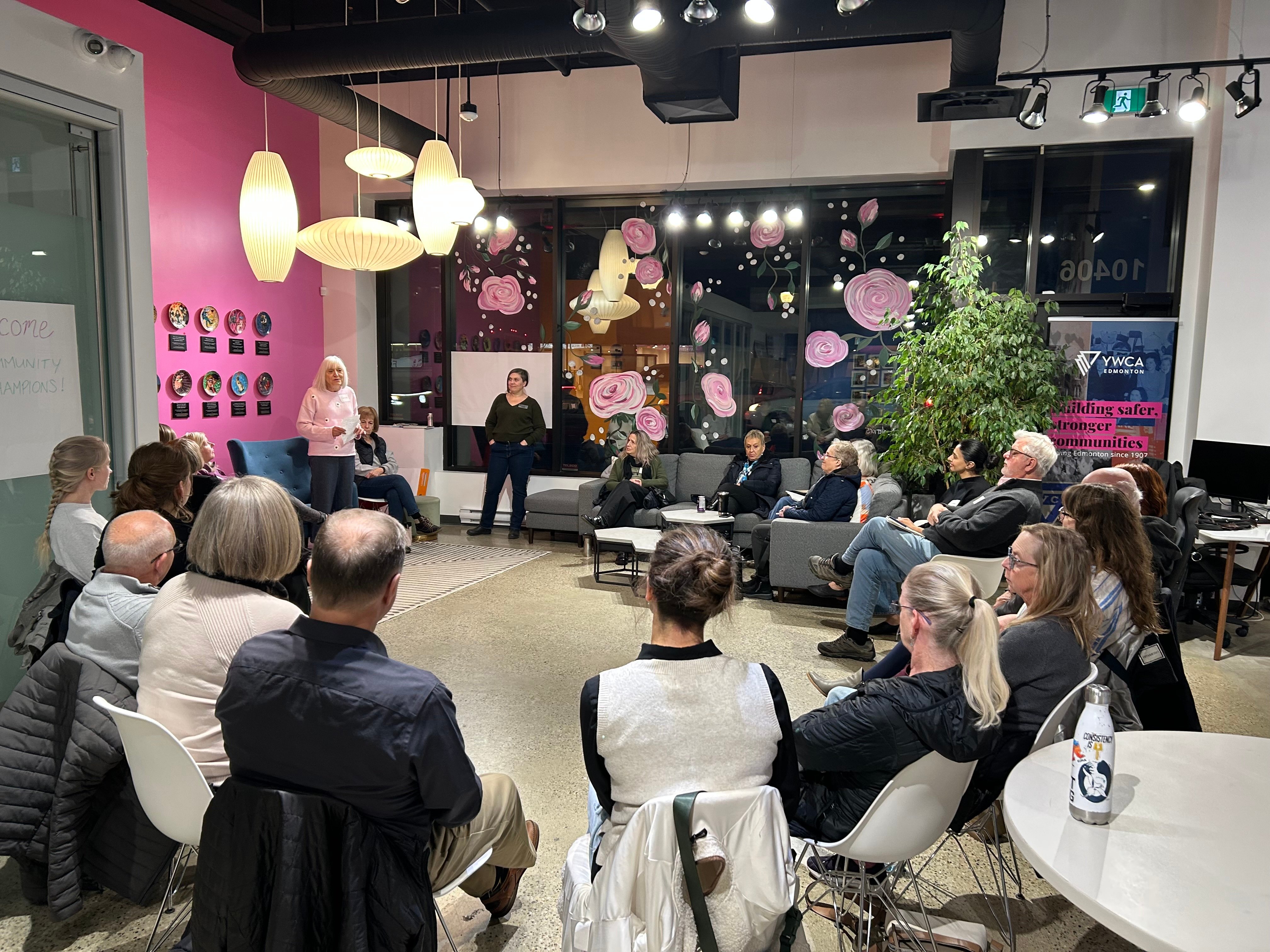
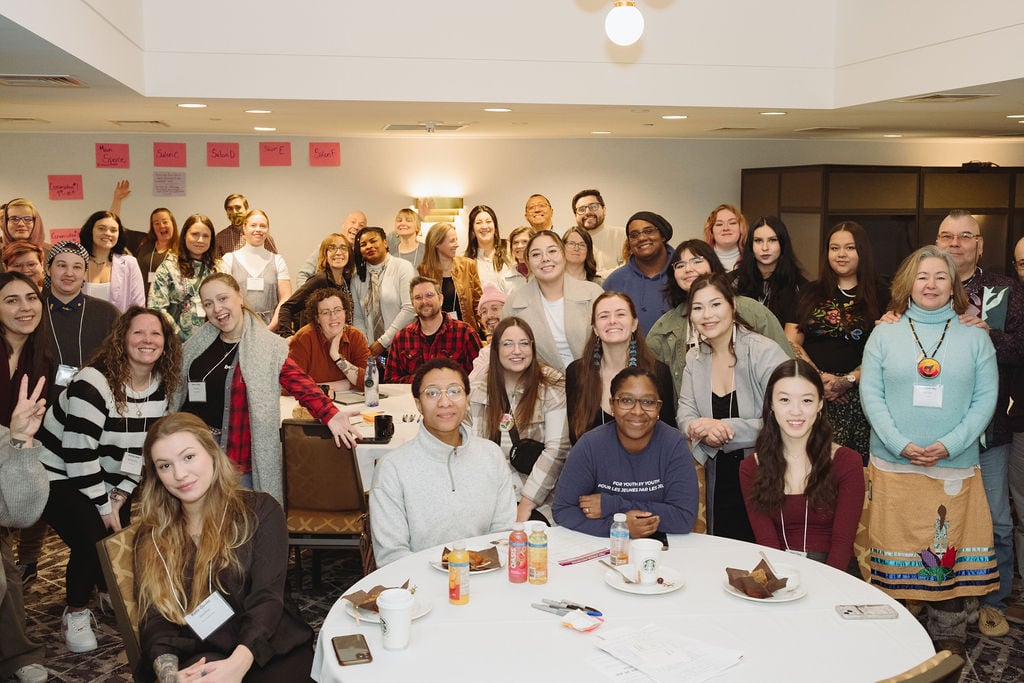
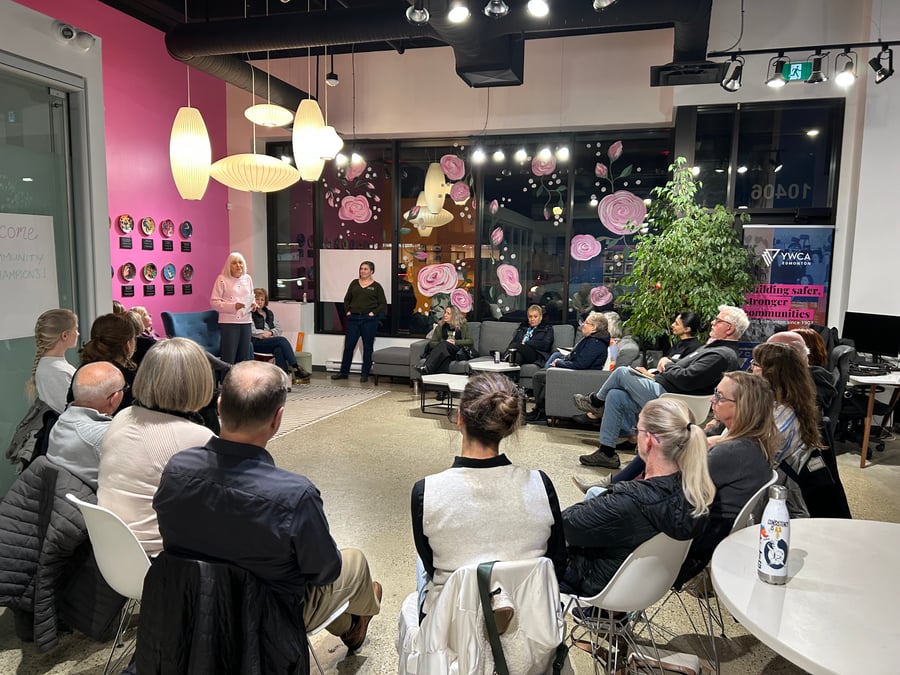
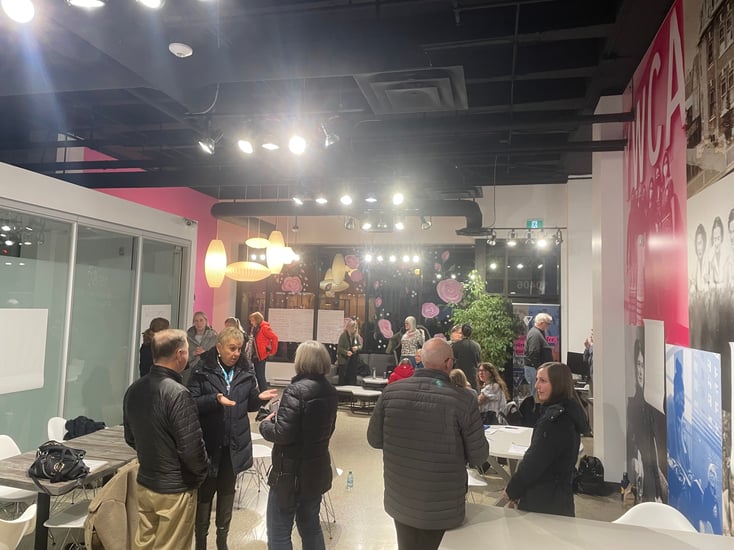
Community Champions grew out of those efforts. Over the past two years, 117 people representing 56 Community Leagues have participated in gatherings focused on belonging, community engagement, Block Connectors, Asset-Based Community Development, and creating more welcoming neighbourhoods. Held in Community League halls across the city, the gatherings bring together residents, volunteers, and community leaders to learn from one another and share practical ideas.
Community Champions encourages participants to look beyond the logistics of running facilities, events, and programs and ask a different question: how do these activities help people build relationships and feel they belong?
Rather than seeing themselves primarily as service providers, many participants are beginning to see Community Leagues as facilitators of connection. The conversation shifts from “How do we run a successful event?” to “How do we help neighbours meet one another?” Instead of focusing only on recruiting volunteers, leagues begin thinking about how stronger relationships encourage people to get involved.
The gatherings are intentionally practical. Participants share examples from their own neighbourhoods, discuss challenges, and adapt ideas for local circumstances. One approach that has generated considerable interest is the Block Connector model, where residents help neighbours build relationships at the street or block level.
For some leagues, the model initially felt overwhelming. Participants assumed they would need a connector for every block before getting started. Community Champions offered a simpler starting point: begin with one or two people who enjoy connecting with neighbours and build from there. Several leagues have since adapted the approach in ways that work for their communities.
The shift can also be seen in established neighbourhood events. For years, the Prince Charles Community League hosted Pot on Every Porch, an event where residents could pick up donated plants for their front steps or balconies. Recently, the league added music, refreshments, and more opportunities for conversation. Board members intentionally introduced themselves and chatted with neighbours throughout the event. What had been a plant giveaway became an opportunity to build relationships.
The effects of this work often show up in stories rather than statistics. One story that has stayed with Melissa involves Derik, a resident who became involved with his Community League after experiencing significant vision loss and increasing isolation. He attended a league annual general meeting and unexpectedly stepped into a leadership role. Through EFCL and his local Community League, Derik built new relationships, discovered strengths he did not know he had, and began creating opportunities for others to connect through small fireside gatherings and conversations.
Reflecting on that experience, Derik encourages others to “Stay open to the possibility that there are others out there who see the miracle that is a community brought to life.” His experience reflects a lesson that appears repeatedly throughout the work: when people are invited into community life, they often discover they have something valuable to contribute.
As Edmonton grows and becomes more diverse, many residents have little familiarity with Community Leagues. Newcomers may not know that neighbourhood halls, rinks, programs, and events are intended for them. Others may never have considered volunteering or participating in local decision-making. Community Champions encourages leagues to ask who they are reaching, who is missing, and what barriers might prevent people from becoming involved.
The conversations are also influencing EFCL itself. Staff from different areas of the organization participate in the gatherings so that belonging and Asset-Based Community Development become part of the broader culture of the organization rather than the responsibility of a single program. Residents and volunteers regularly share their experiences, helping position community knowledge alongside organizational expertise.
The Tamarack Institute has played an important supporting role in the evolution of this work. Coaching, Communities of Practice, peer learning opportunities, staff support, funding, and conversations centred on belonging helped strengthen Community Champions and deepen the practical application of Asset-Based Community Development. Melissa's participation in Tamarack's Circle of Actions cohort helped her develop a Plan on a Page that clarified the direction and focus of the initiative. Tamarack's Communities Building Belonging grant has also supported an emerging youth-engagement project.
That project is still in its early stages. Melissa has begun working with an advisory group of young adults aged 18 to 24 to better understand how Community Leagues can become more relevant and appealing to younger residents. One early lesson has already emerged: the strategies adults think will engage youth are not always the ones young people themselves identify as most meaningful. The next step is to develop a broader engagement plan informed directly by youth perspectives.
Looking ahead, Melissa hopes to see more youth, newcomers to Canada, and Indigenous community members involved in Community Leagues. She wants more residents to understand that Community Leagues are not simply providers of programs and services. They are places where people can build relationships, contribute their talents, and shape the future of their neighbourhoods.
Success, in her view, would mean that belonging becomes embedded across Edmonton's Community League system. More Block Connectors. More neighbourhood gatherings. More resident-led initiatives. More opportunities for neighbours to know one another.
Community Champions is helping Edmonton's Community Leagues return to a simple idea: neighbourhoods become stronger when people know one another. Whether through a Block Connector, a conversation over coffee, or a community event designed to bring neighbours together, the work starts with relationships and grows from there.
Learn more
- Learn more about Community Building Belonging
- Read more stories on Belonging: Communities Building Belonging: Stories of Community-Led Change