
Building on three years of foundational Community Climate Transitions cohorts and a legacy of capacity building for community change, the Adaptive and Resilient Communities Cohort (ARCC) is now one of Tamarack's key interventions to catalyze collective climate action at the local level.
From April to November 2026, 13 communities from across the country will participate in an action-oriented learning journey to overcome the barriers hindering their climate adaptation and resilience projects. Through communities of practice sessions, tailored coaching, and access to tools and resources, this cohort is designed to support these communities to move towards action.
The first sessions will focus on defining climate adaptation and resilience, as well as approaches to climate action which center equity, community assets, and collaboration. Strategies for engaging communities and building equitable partnerships will then be explored, before addressing how to sustain climate adaptation and resilience projects through collaboration, funding, and by documenting impact.
MEET THE COHORT MEMBERS
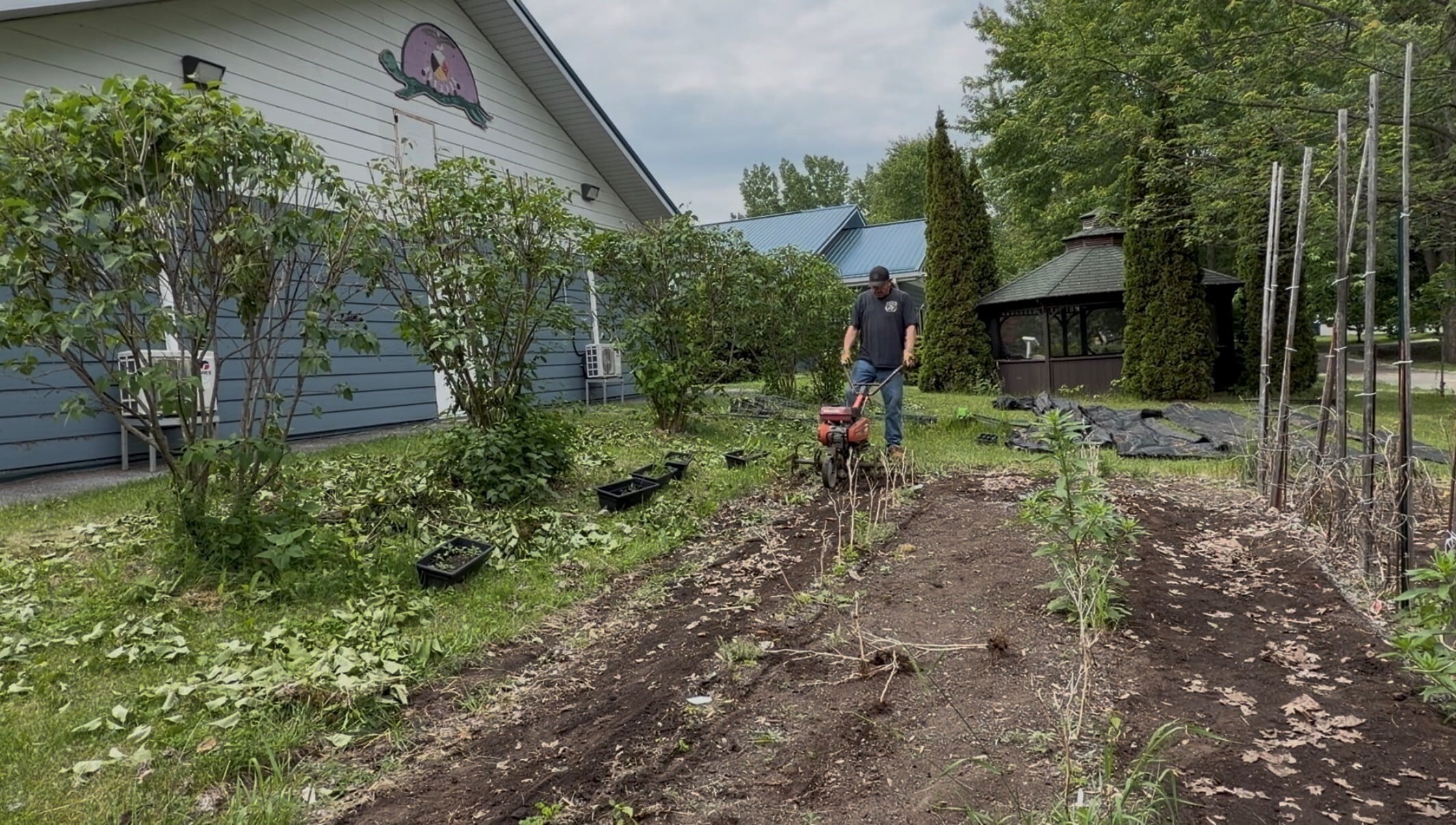
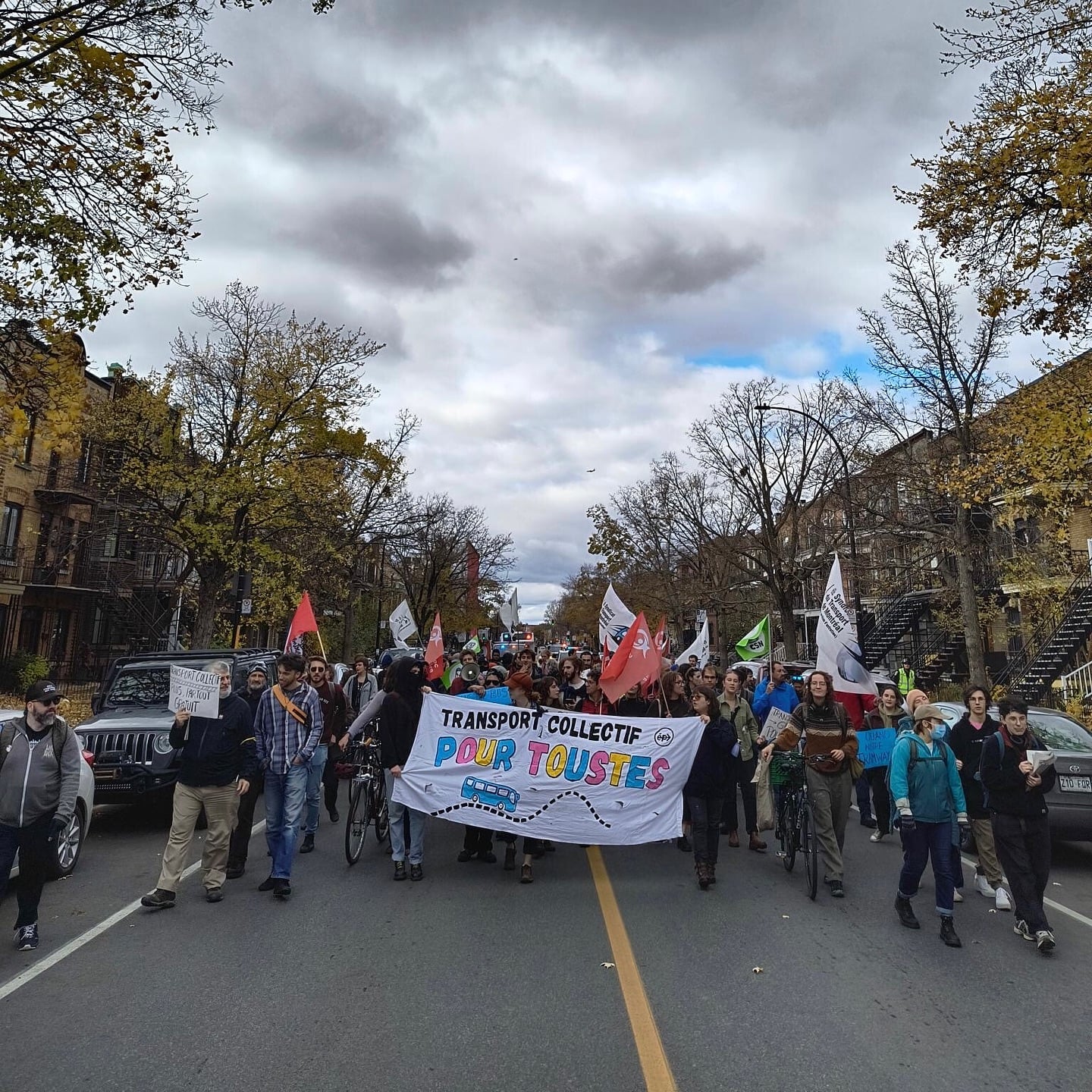
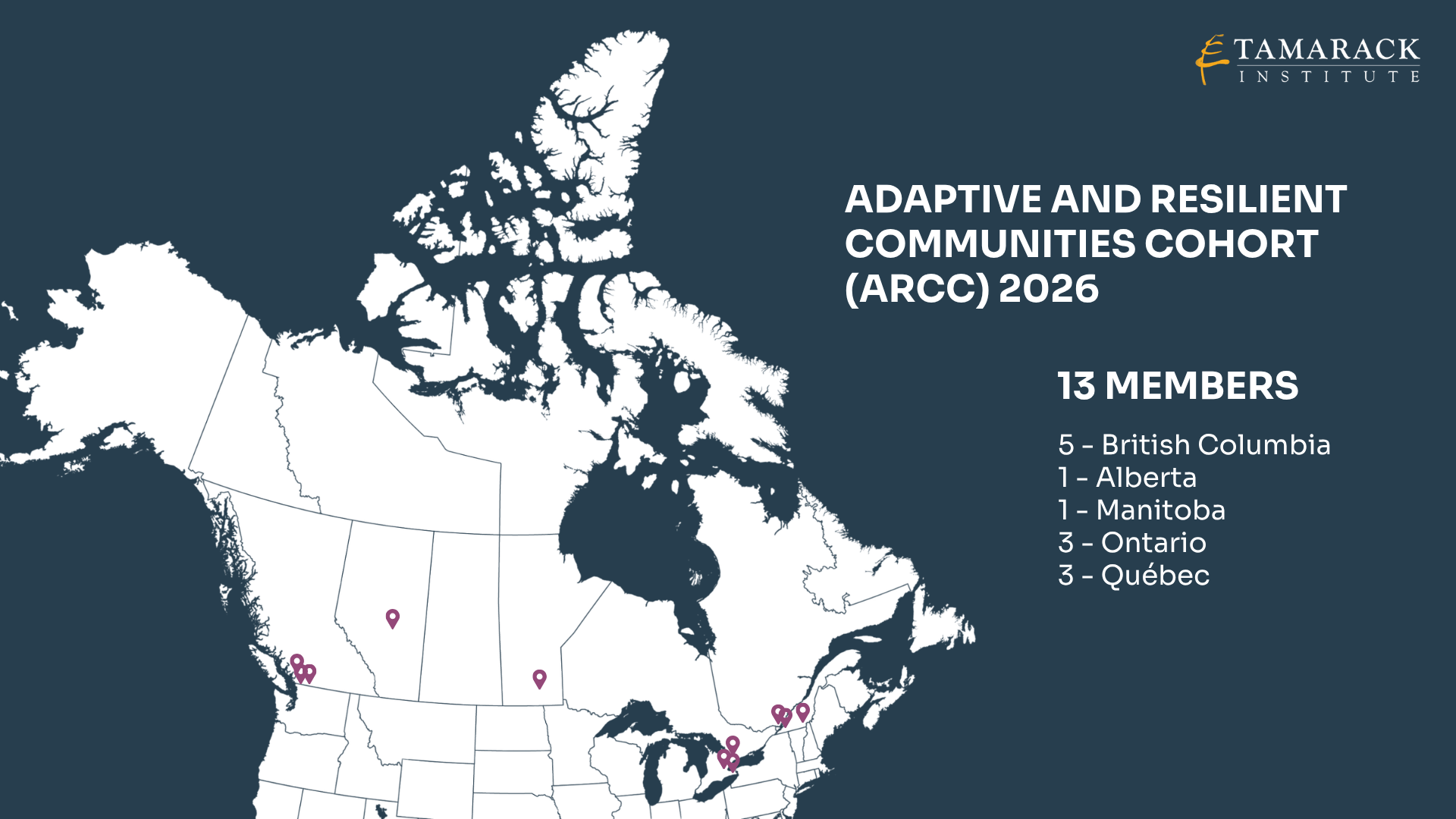
This second edition of the cohort welcomed 13 groups, which included non-profit organizations, neighbourhood collectives, municipalities and First Nation governments, a public health institution, and youth-led organizations. The wide range of actors participating in the cohort has proven to be one of its key strengths. Below is a map outlining where these 13 groups are anchored.
The participating organizations in alphabetical order are:
-
Boisés et écologie Châteauguay – QC
-
Climate Justice Edmonton – AB
-
David Suzuki Foundation – Across Canada
-
Initiative sherbrookoise en développement des communautés– QC
-
Lakelands Public Health– ON
-
Little Mountain Neighbourhood House Society – BC
-
New Westminster Climate Action Hub – BC
-
Niagara Region – ON
-
O'KANATA – MB
-
Refugee Talk – BC
-
Regroupement lavallois pour la réussite éducative – QC
-
Sqwá First Nation – BC
-
The Sustainable Game – BC
We are very excited to welcome such diverse groups to the cohort, anchored in 5 different provinces and 13 cities. From developing climate adaptation plans and implementing a community energy plan to raising awareness and mobilizing the community in emergency preparedness efforts, each organization brings its unique voice and project to the table.
We are also grateful to our partners, Climate Caucus and Partners for Action, who are supporting this cohort journey with their expertise and thought leadership.
COMMON BARRIERS AND MILESTONES
At the start of the cohort journey, members were asked to share the environmental hazards their communities are facing, their current barriers to action, and the milestones they would like to achieve by the end of the journey.
When it comes to environmental hazards, extreme weather stood out as the main challenge for communities across the country, particularly extreme heat, heat waves, and heat domes in urban areas. Many groups also named poor air quality as a challenge, often caused by wildfire smoke, particularly in the Western provinces. Finally, flooding and flood risk were identified as a threat to several communities in the cohort.
The cohort members recognized many common barriers to advancing climate adaptation and resilience work to address these hazards. The top 3 most frequently cited challenges included:
-
Limited financial and human resources, along with broader capacity constraints;
-
Community engagement challenges, including reaching equity-denied populations;
-
Coordination, collaboration, and alignment difficulties across sectors or organizations.
Other challenges included addressing gaps in data, reaching the public through communication and awareness, and facing structural barriers such as political or bureaucratic challenges, each of which can affect a community’s ability to move projects forward effectively.
At the same time, cohort members shared a clear set of milestones they hope to achieve through this journey. The most common milestones which emerged included:
-
Building partnerships and networks – which highlights the importance of collaboration in climate action – including developing a common understanding of climate adaptation and equity among partners;
-
Developing an action plan or strategy to advance climate adaptation and resilience through an equity-centred approach;
-
Fostering equitable, community-centred engagement.
Other groups emphasized the goal to strengthen their evaluation, learning, and documentation practices, to demonstrate impact and sustain initiatives in the long-term. Beyond action, participants aim to build knowledge and connections within the cohort to strengthen their impact.
LEARN MORE
Are you interested in learning more about this cohort or other opportunities within our Communities for Climate Transitions (CCT) network? Check out the links below or contact Erika Massoud in the CCT team at erika@tamarackcommunity.ca.
-
To learn more about the ARCC program
-
To check out the work of our Climate Transitions network
This cohort is made possible through the financial support of the Government of Canada.