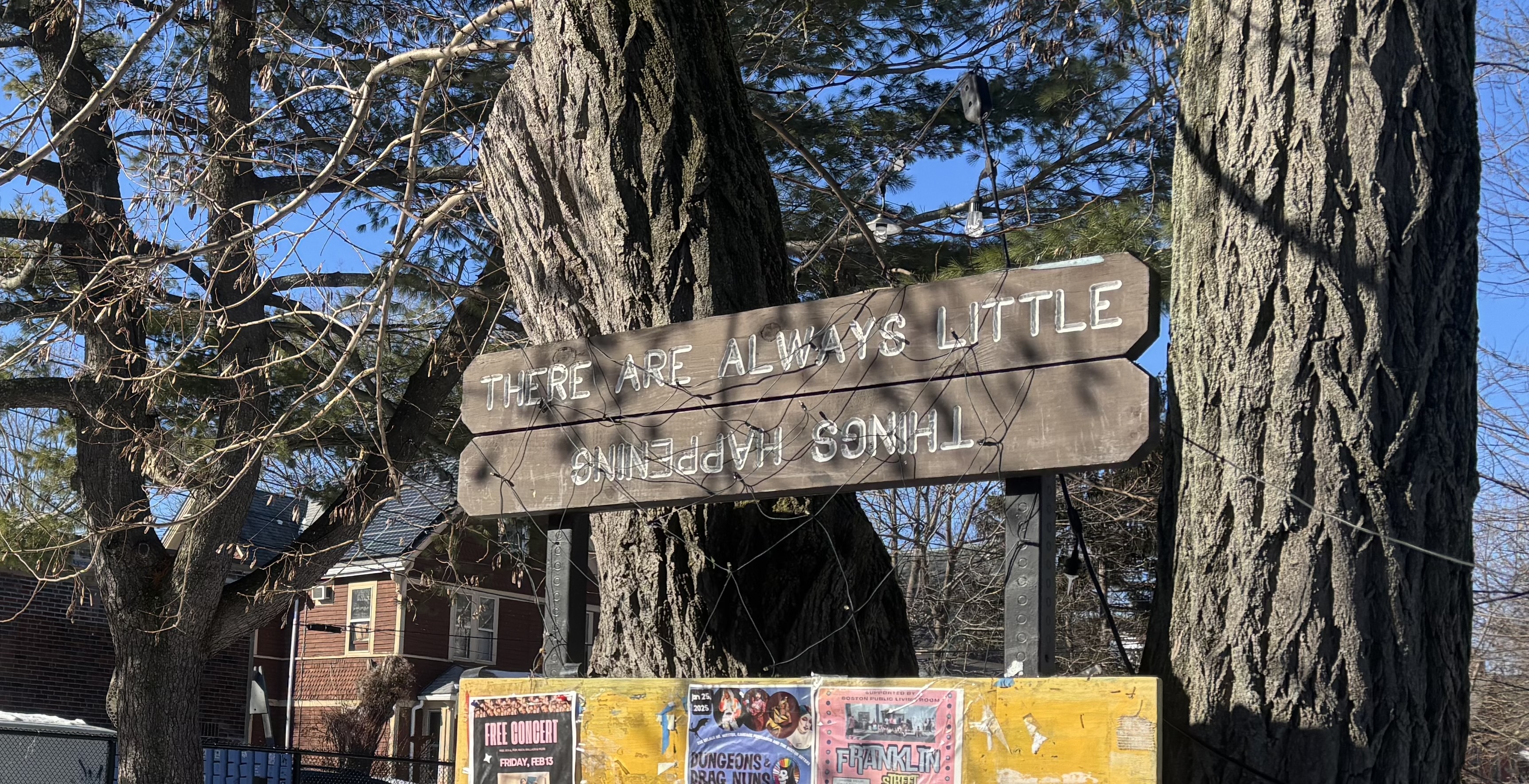
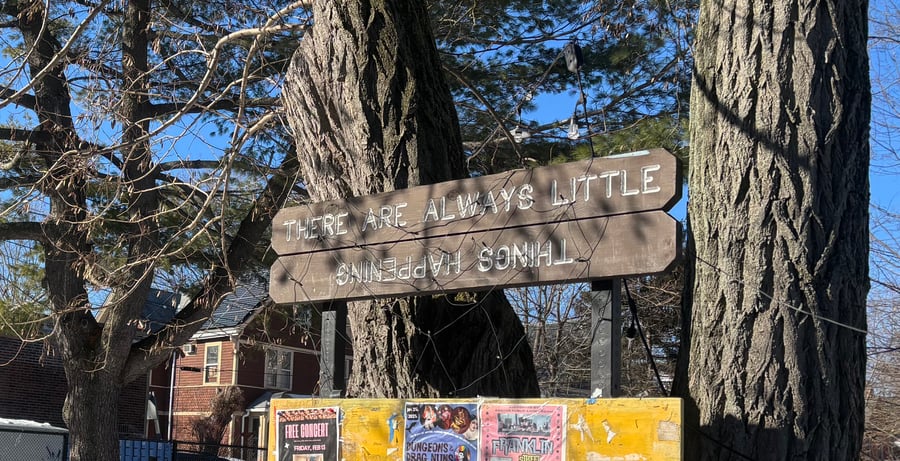
Image Caption: Pictured is a wooden placard afixed to a tree in a small park. It says, “There are always little things happening.” (Things happening written upside down.) It reminds me that there are no small projects – that each local innovation, each chance conversation, each meeting facilitation plays a role in how people view the opportunity around them, and how they view the roles they can take up.)
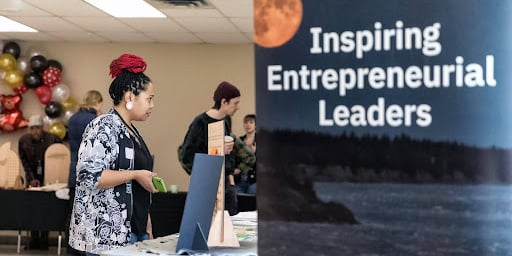
I spent last week in the lands where I grew up. I was there – on the traditional lands of the Massachusett people – for The EdRedesign Lab's "Research, Data and Practice in Place-Based Partnerships," a convening about how all kinds of data – numbers, stories, observations – can buoy the kinds of policies, partnerships, narratives, and investments that support thriving local communities.
It was profound to work together in this time of grief, trauma, uncertainty (and powerful collaboration action). (Rob Watson named this so well in his opening, and I join him in gratitude to the dozens of local leaders who took time from their places to share so generously.)
So much of what was discussed feels essential to this moment.
First, data isn't just numbers, and it isn't really for describing what’s already done. Data is numbers, but also stories. It’s what we get to see and hear when we are in people's homes, schools, driveways, and community spaces. More actionable data emerges when we're working from relationships and trust. And data is a tool for empathizing and understanding and then for aligning, adapting, and celebrating complex, systems-changing efforts.
Second, local, place-based partnerships are a critical part of any transformational change effort. Across the world, we're starting to see a sharper focus on local. Community. Place. It's spectacular, and it calls us to keep building the evidence about the power and potential of place. It calls us to weave research, practice, narrative and policy. And it calls us to "work local" with rigour. This rigour includes embedding community-driven results, participatory approaches, and clear, adaptive, collaborative governance and decision-making structures in our work. It includes seeing and recognizing the contributions of local, often “first in” actors, of "niche" innovations, of backbone infrastructure, and of everything else that must come together to create big change. (This – the topic of measuring backbone contribution - is what I was there to speak on, drawing on Tamarack's Equity, Anti-Racism, and Reconciliation Analysis Tool, Changemaker Self-Assessment, and Multi-Level Perspective tools.)
Third, we know a lot about what creates opportunity for youth and families. And we know a whole bunch about durable, impactful collaboration. Our next work is to activate this evidence base. This includes making it available in the formats, dosages, languages, and locations that different audiences need them.
Our work is also to create conditions for more people to bring their assets to creating opportunity. Stories from Utah, Dayton, San Antonio, Tulsa and beyond reminded me that this starts by helping people see what's possible - and their critical role in it.
Fourth, in the field of place-based collaboration, people move around. They contribute in one place, and then life draws them elsewhere. Some serve as local backbones and then as philanthropists. As national field builders and then elected officials. As data analysts and then writers. As direct service providers and policymakers. As CEOs and then as essential, informal thought partners. Relationships need not end when people change roles - there's so much to learn about actual constraints, emerging opportunities, and undiscovered assets as people inhabit different spots in the field.
Fifth, what can be researched is too often limited to the methods that are available. Whether we are researchers, facilitators, conveners, funders, investors, or practitioners, we likely have a set of methods. To achieve transformational change, we need to sometimes set those methods aside. We need to start with the future we imagine and work backwards if we want to produce different results.
And finally, infrastructure comes before scale. We need to know one another and where we share purpose. We need clarity on how we share and steward data. We need broad analytical and sensemaking capacity. We need feedback loops for communities to hold, interpret, and validate the data and stories about their experiences and contexts. We need trust.
No type of infrastructure - relational, data, communication, or otherwise - happens without listening, testing, learning from what is happening, and adjusting. Infrastructure comes more easily when we have ways to learn and draw from one another.
In the end, this was not just a convening about data and evidence; it was also an exploration of how we stay committed to generational work that measures progress by how well we're creating opportunity for joy, stability, and enough for all youth and families.
I'm grateful to have been with some humans I've known for a long time - and with many new collaborators. And I'm grateful to the place-based partnerships in the US, Canada and beyond - the examples you share buoy similar efforts across these lands.